
Tarangire National Park

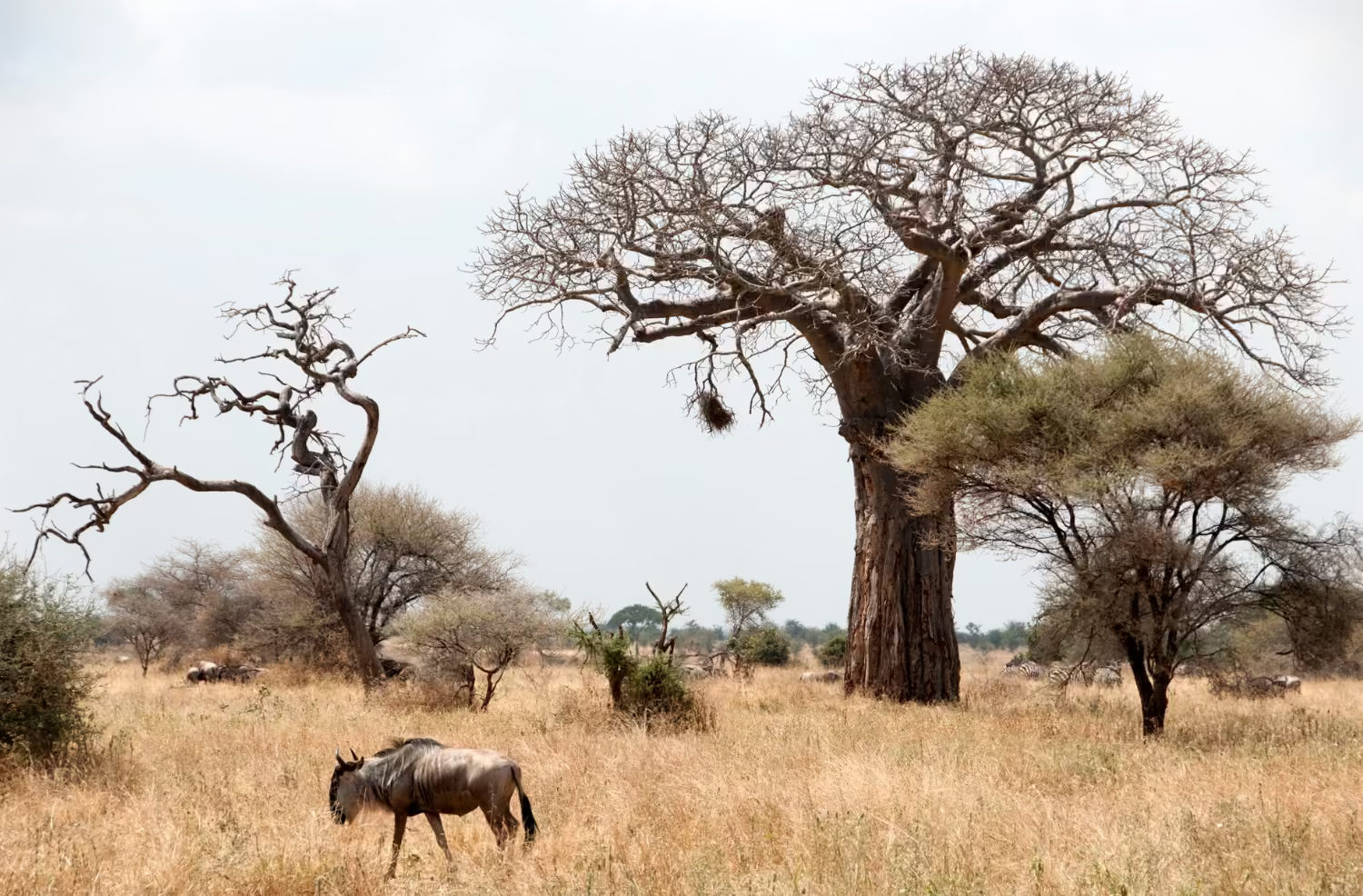
Tarangire National Park
Located in northern Tanzania, Tarangire National Park is one of the most distinctive wildlife destinations on the Northern Safari Circuit, celebrated for its vast elephant populations, ancient baobab trees, seasonal wetlands and the life giving Tarangire River that cuts through the heart of the park.
Covering approximately 2,850 square kilometres, Tarangire offers a safari landscape that feels both wild and beautifully varied. Open grasslands stretch between baobab dotted plains, riverine woodland, acacia bushland and seasonal swamps, creating habitats for a remarkable diversity of wildlife.
For travelers planning a Tanzania safari in 2026, Tarangire National Park is particularly rewarding because of its strong concentration of animals during the dry season. As surrounding water sources disappear, wildlife moves toward the Tarangire River, transforming the park into one of northern Tanzania’s most exciting game viewing destinations.
The park is especially famous for its elephants. Large herds can often be seen crossing dusty plains, drinking along the riverbanks or moving beneath enormous baobab trees. Lions, giraffes, zebras, wildebeest, buffaloes, impalas, warthogs, waterbucks and numerous antelope species also inhabit the park.
Tarangire is equally impressive for travelers interested in birdlife, photography and landscape scenery. Its diverse habitats support hundreds of bird species, while the combination of elephants and giant baobabs creates some of the most recognizable safari scenes in Tanzania.
At Woodland Trek & Safaris, based in Arusha, Tanzania, we design customized Tarangire National Park safaris, Northern Tanzania safari packages, private wildlife tours, family safaris, honeymoon safaris and luxury Tanzania safari experiences according to your travel dates, interests and preferred safari style.
History of Tarangire National Park
The landscapes surrounding Tarangire have supported wildlife and pastoral communities for generations.
Before receiving national park status, parts of the region were used for livestock grazing and seasonal movement by local communities, particularly pastoral groups living across the wider Maasai Steppe.
As conservation efforts expanded in northern Tanzania, the ecological importance of the Tarangire area became increasingly recognized.
The region contained important dry season water sources and migration corridors used by elephants, wildebeest, zebras and other wildlife moving between Tarangire and neighboring ecosystems.
Tarangire National Park was officially established in 1970, creating greater protection for the Tarangire River, surrounding habitats and wildlife populations.
Conservation within the region remains particularly important because many animals move beyond the formal park boundaries during parts of the year.
The wider Tarangire ecosystem therefore depends not only on the national park itself but also on wildlife corridors, community lands and surrounding conservation areas.
Today, Tarangire National Park is one of Tanzania’s most important elephant conservation areas and an essential component of the Northern Tanzania safari circuit.
Its combination of wildlife density, baobab landscapes and accessibility from Arusha has made it increasingly popular among travelers seeking both classic safari experiences and quieter alternatives to some of Tanzania’s larger parks.
Geography Size and Ecology of Tarangire National Park
Tarangire National Park covers approximately 2,850 square kilometres and lies within Tanzania’s northern safari region.
Its ecology is strongly influenced by seasonal rainfall and the presence of the Tarangire River.
During the rainy season, animals can disperse across a much larger ecosystem because water and grazing become widely available.
During the dry season, however, the Tarangire River becomes one of the most important permanent water sources in the region.
This seasonal concentration of animals explains why Tarangire can offer exceptional wildlife viewing between approximately June and October.
The Tarangire River
The Tarangire River is the ecological lifeline of the national park.
Winding through the landscape, it provides water for wildlife when seasonal streams, pools and wetlands begin to dry.
During the dry season, visitors may observe large concentrations of elephants, zebras, wildebeest, antelopes and other animals gathering near the river.
Predators often take advantage of this concentration of prey, making river areas particularly rewarding for game drives.
The river is also lined with vegetation that provides excellent habitat for birds, monkeys and smaller mammals.
Baobab Landscapes
One of Tarangire National Park’s most famous features is its abundance of ancient baobab trees.
These enormous trees can dominate the skyline, with thick trunks and unusual branches that create an almost prehistoric appearance.
Baobabs are highly adapted to dry environments and can store significant amounts of water within their trunks.
They also provide food and shelter for many forms of wildlife.
Elephants are occasionally seen stripping bark from baobab trees, particularly during dry periods.
For photographers, the combination of elephants, baobab silhouettes and dramatic African skies creates some of the most memorable images available on a Tanzania safari.
Seasonal Swamps and Wetlands
Several sections of Tarangire contain seasonal swamps and wetland environments.
During wetter months, these areas become green and productive, attracting birds and grazing animals.
As the dry season progresses, some wetlands shrink while wildlife becomes increasingly dependent on remaining water sources.
These changing landscapes create strong seasonal differences in wildlife distribution.
Woodland and Grassland Ecosystems
Tarangire contains a mixture of open grassland, acacia woodland, bushland and riverine forest.
This variety supports different wildlife species and creates constantly changing scenery during a game drive.
Visitors may travel from open plains filled with zebra to wooded areas where giraffes browse among acacia trees, before arriving at riverbanks where elephants gather in large groups.
Wildlife of Tarangire National Park
Tarangire National Park is one of northern Tanzania’s finest destinations for observing elephants.
Large family groups can often be seen moving through the park, particularly during the dry season.
The park also supports an impressive variety of other animals, including:
- African elephants
- Lions
- Leopards
- Cheetahs
- African buffaloes
- Masai giraffes
- Zebras
- Wildebeest
- Warthogs
- Impalas
- Waterbucks
- Elands
- Hartebeest
- Dik diks
- Baboons
- Vervet monkeys
Tarangire is also known for several species that are less commonly seen in some other northern Tanzania parks.
These can include:
- Greater kudu
- Lesser kudu
- Fringe eared oryx
- Gerenuk
These species add another layer of interest for travelers who have already visited other major East African safari destinations.
Birdlife in Tarangire National Park
Tarangire National Park is one of northern Tanzania’s excellent destinations for bird watching safaris.
Its swamps, woodlands, grasslands and river environments support hundreds of bird species.
Birdwatchers may encounter:
- Ostriches
- Hornbills
- Bee eaters
- Kingfishers
- Eagles
- Vultures
- Kori bustards
- Secretary birds
- Storks
- Lovebirds
- Weaver birds
- Raptors
- Waterbirds
The rainy season can be especially interesting because migratory species may join resident populations while the landscape becomes green and productive.
For specialist travelers, Tarangire can easily be included within a broader Tanzania bird watching safari itinerary.
Accessibility and How to Reach Tarangire National Park
One of Tarangire National Park’s greatest advantages is its convenient location within Tanzania’s Northern Safari Circuit.
The park can generally be reached from Arusha in approximately two to three hours by road, depending on traffic, road conditions and the exact starting point.
This makes Tarangire suitable for both multi day safari itineraries and day trips from Arusha, although spending at least one or two nights allows travelers to experience the park in greater depth.
Most travelers reach Tarangire using a private 4×4 safari vehicle.
The road journey from Arusha passes through changing landscapes and local settlements before reaching the park entrance.
Tarangire also combines naturally with other major safari destinations, including:
- Lake Manyara National Park
- Ngorongoro Conservation Area
- Serengeti National Park
- Arusha National Park
A typical Northern Tanzania safari may begin in Arusha, continue to Tarangire, then proceed toward Ngorongoro and Serengeti.
This routing allows travelers to experience several dramatically different ecosystems within a single journey.
Domestic charter and scheduled flight options may also be incorporated into certain luxury safari itineraries, depending on travel plans and lodge locations.
At Woodland Trek & Safaris, we arrange private safari vehicles, professional guides, airport transfers, accommodation and complete overland logistics for travelers visiting Tarangire as part of a customized Tanzania safari.
Best Time to Visit Tarangire National Park
Tarangire National Park can be visited throughout the year, but the safari experience changes significantly between seasons.
For travelers primarily interested in large wildlife concentrations, the dry season from approximately June to October is generally considered the best period.
June to October
This is the classic dry season and one of the strongest wildlife viewing periods in Tarangire.
As water disappears from surrounding areas, large numbers of animals move toward the Tarangire River and remaining wetlands.
Visitors may encounter impressive concentrations of:
- Elephants
- Zebras
- Wildebeest
- Buffaloes
- Giraffes
- Antelopes
- Predators following prey
Vegetation becomes drier and thinner, which can make wildlife easier to spot.
Clear weather and favorable road conditions also make this period popular for photographers and first time safari travelers.
November and December
Short rains normally begin during this period.
The landscape gradually turns green again and wildlife begins dispersing more widely.
The park can become extremely beautiful as vegetation regenerates.
Visitor numbers may also be lower compared with peak dry season months.
January and February
These months can provide warm weather, green landscapes and rewarding game viewing.
Although some migratory animals may have moved beyond the park boundaries, resident wildlife remains present.
Birdwatching can also be particularly rewarding.
March to May
This period generally corresponds with the longer rainy season.
Tarangire becomes lush, green and atmospheric.
Wildlife can be more widely dispersed because water becomes available across the broader ecosystem.
Some tracks may become muddy after heavy rainfall, but the park remains attractive for travelers seeking quieter surroundings and beautiful scenery.
For first time safari visitors, July through October is often an excellent period for experiencing Tarangire’s famous elephant concentrations.
For travelers who appreciate green landscapes, fewer vehicles and birdlife, the wetter months can provide an equally memorable but very different experience.
Common Activities in Tarangire National Park
Tarangire National Park offers several ways to experience its wildlife and landscapes.
Game Drives
Game drives are the main safari activity.
Morning, afternoon and full day drives allow visitors to explore different habitats while searching for wildlife.
Early morning is often particularly rewarding because temperatures are cooler and many animals are active.
During a typical Tarangire game drive, visitors may watch elephants crossing the road, lions resting beneath trees, giraffes feeding in woodland and zebras gathering near water.
Full day drives allow more time to reach quieter sections of the park and experience wildlife without rushing.
Elephant Watching
Tarangire is one of Tanzania’s premier destinations for elephant safaris.
Visitors can often observe complex family groups containing adults, juveniles and calves.
Watching elephants drink, feed, communicate and interact naturally is one of the park’s defining experiences.
During the dry season, several groups may gather near the Tarangire River, creating extraordinary viewing opportunities.
Wildlife Photography
Tarangire is an outstanding destination for photography.
Popular photographic subjects include:
- Elephants beneath baobab trees
- Lions resting in dry grass
- Giraffes crossing open plains
- Zebra herds
- Tarangire River landscapes
- Baobab silhouettes at sunset
- Birds
- Dramatic seasonal skies
- Predator and prey interactions
Private safari vehicles are particularly valuable for photographers because they allow greater flexibility when positioning around sightings.
Bird Watching
The park’s diverse habitats make it suitable for both casual and specialist birdwatchers.
Guides familiar with local species can help identify birds around wetlands, woodlands, river areas and open plains.
Walking Safaris
Walking safaris may be available in selected areas under appropriate park regulations and professional supervision.
These experiences allow travelers to leave the vehicle and explore the wilderness from a completely different perspective.
Rather than focusing only on large animals, walking safaris introduce visitors to tracks, plants, insects, smaller wildlife and ecological relationships that can easily be overlooked during a vehicle based safari.
Night Game Drives
In designated areas and under approved arrangements, night game drive experiences may be possible.
Night drives create opportunities to search for nocturnal wildlife and observe how the landscape changes after sunset.
Availability depends on current regulations, location and accommodation arrangements.
Cultural Experiences
Tarangire can also be combined with cultural visits in surrounding communities.
These experiences may introduce travelers to local traditions, livestock practices, handicrafts, food and community life.
A cultural extension can provide valuable context about the human landscapes surrounding Tanzania’s protected areas.
Accommodation Options in Tarangire National Park
Tarangire offers a wide range of accommodation choices both inside and outside the national park.
The best option depends on your budget, preferred comfort level, travel season and overall Tanzania safari itinerary.
Luxury Safari Lodges
Luxury lodges provide high levels of comfort while maintaining a strong connection with the surrounding wilderness.
Facilities may include:
- Spacious safari suites
- Private verandas
- Swimming pools
- Fine dining
- Premium beverages
- Bush dining experiences
- Sundowners
- Spa services
- Private game drive arrangements
These lodges are particularly suitable for luxury Tanzania safaris, honeymoon safaris, anniversary trips and premium family holidays.
Tented Safari Camps
Tented camps provide a classic African safari atmosphere.
Rooms are generally built beneath large canvas structures and may include proper beds, private bathrooms, electricity and private verandas.
Sleeping beneath canvas allows guests to hear the sounds of the African wilderness while still enjoying comfortable facilities.
Midrange Safari Lodges
Midrange accommodations provide comfortable rooms and good safari services at a more moderate cost.
Facilities may include:
- En suite rooms or tents
- Restaurants
- Lounge areas
- Solar electricity
- Hot showers
- Swimming pools at selected properties
These options work well for couples, families and private groups seeking good value without sacrificing essential comfort.
Campsites
Camping can provide a more adventurous and affordable safari experience.
Public and special campsites may be available depending on itinerary arrangements.
Camping safaris require proper equipment, professional support and careful food and safety planning.
At Woodland Trek & Safaris, we match accommodation to your preferred safari style, ranging from comfortable budget options to intimate tented camps and exclusive luxury safari lodges.
How Many Days Should You Spend in Tarangire National Park
Tarangire can be visited as a day trip, but travelers generally enjoy a deeper experience when spending more time inside or near the park.
A suggested stay may include:
- 1 day for travelers with limited time
- 1 night for a relaxed introduction to the park
- 2 nights for stronger wildlife viewing and exploration
- 3 nights for photographers, wildlife enthusiasts or travelers seeking a slower safari pace
Visitors staying overnight can enjoy both morning and afternoon game drives without needing to return to Arusha the same day.
Longer stays are particularly worthwhile during the dry season when wildlife concentrations around the river can be exceptional.
Why Visit Tarangire National Park
Tarangire National Park offers a distinctive safari atmosphere that differs from both Serengeti and Ngorongoro.
Its enormous elephants, sculptural baobab trees and seasonal river ecosystem create a destination filled with character.
Travelers choose Tarangire for:
- Large elephant populations
- Beautiful baobab landscapes
- Excellent dry season wildlife concentrations
- Big cat sightings
- Rich birdlife
- Less crowded safari areas
- Exceptional photography opportunities
- Convenient access from Arusha
- Easy combination with Serengeti and Ngorongoro
- A strong mixture of wildlife and scenery
For travelers searching for an authentic Tanzania safari experience, Tarangire offers a powerful sense of wilderness without requiring the long distances associated with some of the country’s more remote parks.
Combine Tarangire With Other Tanzania Safari Destinations
Tarangire fits perfectly into a classic Northern Tanzania safari.
One of the most popular safari combinations includes:
- Tarangire National Park
- Lake Manyara National Park
- Ngorongoro Conservation Area
- Serengeti National Park
Travelers may begin their journey in Arusha before driving to Tarangire for elephant viewing.
From there, the safari can continue toward Karatu and Ngorongoro before entering the Serengeti.
After Serengeti, travelers may return to Arusha or fly onward to Zanzibar for a tropical beach holiday.
This combination creates a complete Tanzania experience covering wildlife safaris, dramatic landscapes, cultural encounters and Indian Ocean relaxation.
Plan Your Tarangire Safari With Woodland Trek & Safaris
Some safari memories begin with a lion beside the road. Others begin with the quiet movement of an elephant herd beneath the branches of an ancient baobab tree.
Tarangire National Park is a place where Tanzania reveals its wilderness slowly and beautifully.
Here, elephants move between riverbanks and open plains, giraffes disappear among acacia trees and the silhouettes of baobabs stand against enormous African skies.
At Woodland Trek & Safaris, located in Arusha, Tanzania, we create personalized Tarangire safari packages, private Tanzania safaris, luxury Northern Circuit tours, family safari holidays, honeymoon safaris, photographic safaris and customized African adventures.
Our team carefully considers the season, wildlife movement, accommodation preferences, available time and budget when planning your Tarangire experience.
Whether you want a Tarangire day trip from Arusha, several nights in a luxury safari lodge or a complete journey combining Tarangire with Ngorongoro and Serengeti, we can design an itinerary that allows you to experience northern Tanzania at a comfortable and rewarding pace.
Travel among ancient baobabs, follow elephant trails toward the river and discover one of northern Tanzania’s most beautiful wildlife landscapes.
Explore Tarangire National Park with Woodland Trek & Safaris and let the wild heart of Tanzania become part of your journey.
Practical Info
How to Book Your Safari
Preparing for a Safari
Preparing for Mountain Climbing
Visa in Tanzania
Conservation In Tanzania
Weather In Tanzania
Read Reviews

Follow us
- Woodland Trek Safaris Ltd
- @woodlandtrek_safari
- +255 682 956 506
- +255 769 950 057
- info@woodlandtrekandsafaris.com
- sales@woodlandtrekandsafaris.com
- Arusha, Tanzania
We Accept