
Gombe National Park

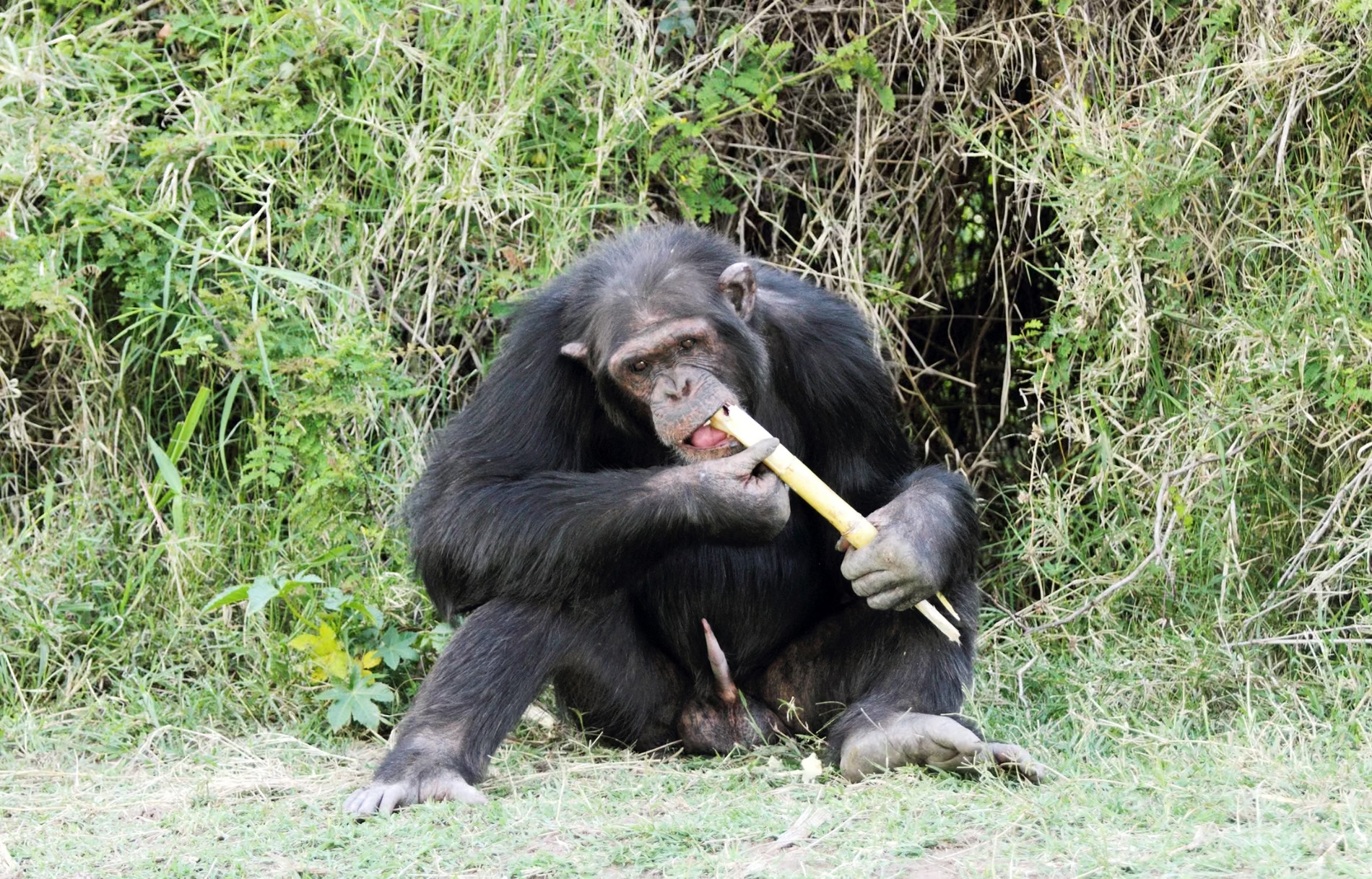
Gombe National Park
Overview of Gombe National Park
Hidden along the eastern shores of Lake Tanganyika in western Tanzania, Gombe National Park is one of the most distinctive wildlife destinations in Africa. Famous worldwide for its chimpanzees, steep forested valleys and extraordinary scientific history, Gombe offers travelers a completely different experience from the open savannah safaris of Serengeti, Tarangire and Ruaha.
Covering approximately 35 square kilometres, Gombe is one of Tanzania’s smallest national parks, yet its ecological and historical importance is immense. The park is best known as the location where pioneering primatologist Jane Goodall began her groundbreaking research on wild chimpanzees in 1960, helping transform global understanding of primate behavior and the relationship between humans and other great apes.
For travelers planning a Tanzania safari in 2026, Gombe is an exceptional destination for chimpanzee trekking, primate safaris, bird watching, forest hiking, Lake Tanganyika experiences and Western Tanzania safari adventures.
Unlike traditional safari parks where wildlife is viewed mainly from vehicles, exploring Gombe is largely done on foot. Visitors trek through forested slopes and valleys in search of habituated chimpanzee communities while listening to the sounds of tropical birds, monkeys and the surrounding forest.
The combination of chimpanzees, rainforest, mountains and Lake Tanganyika creates an intimate and adventurous safari environment.
At Woodland Trek & Safaris, based in Arusha, Tanzania, we organize carefully planned Gombe chimpanzee trekking safaris, Western Tanzania wildlife tours, primate adventures, Lake Tanganyika itineraries and customized Tanzania safari packages for travelers seeking a deeper and more specialized wildlife experience.
History of Gombe National Park
Gombe’s international reputation is closely linked to one of the most important wildlife research projects in modern history.
In 1960, a young Jane Goodall arrived in the Gombe region to begin observing wild chimpanzees under the encouragement of renowned anthropologist Louis Leakey.
At the time, relatively little was known about chimpanzee behavior in the wild.
Goodall spent long periods following chimpanzee communities through the forest and gradually gained their trust.
Her observations fundamentally changed scientific understanding of great apes.
One of her most famous discoveries involved observing chimpanzees making and using tools to extract termites from mounds.
At the time, tool use was widely considered one of the defining differences between humans and other animals.
Further research revealed complex chimpanzee social structures, hunting behavior, emotional relationships, territorial conflict, parenting and individual personalities.
The research program at Gombe eventually became one of the longest continuous studies of wild animals in the world.
The area received formal protection and was established as Gombe Stream National Park in 1968.
Today, the park is commonly known as Gombe National Park, while long term chimpanzee research continues to contribute valuable information about primate behavior, ecology and conservation.
Gombe’s history gives visitors an opportunity not only to observe chimpanzees but also to explore one of the most influential locations in the history of wildlife science.
Geography Size and Ecology of Gombe National Park
Gombe National Park covers approximately 35 square kilometres along the eastern shoreline of Lake Tanganyika.
Although the protected area is relatively small, its terrain is steep, rugged and ecologically diverse.
The park consists primarily of forested valleys separated by steep ridges descending toward the lake.
These landscapes create a mosaic of tropical forest, woodland and grassland environments.
Lake Tanganyika
Lake Tanganyika forms the western boundary of Gombe National Park.
It is one of Africa’s Great Lakes and one of the deepest freshwater lakes in the world.
The lake stretches across several countries and contains an extraordinary variety of aquatic life.
For visitors to Gombe, Lake Tanganyika provides both a spectacular scenic backdrop and an important means of transportation.
Because there are no normal road connections directly into the park, visitors typically travel by boat from Kigoma.
The combination of forested mountains descending directly into the deep blue waters creates some of the most beautiful scenery in western Tanzania.
Forest Ecosystem
Gombe contains a mixture of evergreen forest, semi deciduous forest and woodland.
The valleys receive more moisture and support denser vegetation, while exposed ridges may contain more open woodland and grassland.
These habitats provide food and shelter for chimpanzees and numerous other primates.
The forest is characterized by vines, tall trees, dense undergrowth and streams flowing toward Lake Tanganyika.
During the wetter season, vegetation becomes especially lush, creating a powerful tropical atmosphere.
Chimpanzee Habitat
Chimpanzees are the most famous residents of Gombe.
They inhabit the forested valleys and slopes where they feed on fruits, leaves, insects and occasionally meat.
Chimpanzees live in complex communities and travel considerable distances while searching for food.
Their movements vary according to seasonal fruit availability and other ecological conditions.
Visitors should therefore understand that chimpanzee trekking involves genuine wildlife tracking, and sightings cannot be treated like a staged attraction.
Experienced guides monitor chimpanzee movements and use knowledge of their recent locations, vocalizations and feeding patterns to help locate them.
Wildlife of Gombe National Park
Although chimpanzees are the major attraction, Gombe supports several other wildlife species.
Common primates include:
- Chimpanzees
- Olive baboons
- Red tailed monkeys
- Blue monkeys
- Vervet monkeys
- Red colobus monkeys
The presence of several primate species makes Gombe one of Tanzania’s most interesting destinations for travelers fascinated by primate behavior.
Other mammals may include:
- Bushpigs
- Bushbucks
- Small antelope species
- Rodents
- Small carnivores
Large savannah animals such as elephants, lions and giraffes are not the defining wildlife of Gombe.
The park instead offers a specialized forest and primate safari experience.
Chimpanzees of Gombe
The chimpanzees of Gombe are among the most studied wild animals in the world.
Individual chimpanzees have been identified and followed across generations, allowing researchers to build detailed family histories and understand social relationships.
Chimpanzees share many behavioral characteristics familiar to humans.
Visitors may observe them:
- Grooming one another
- Feeding
- Caring for infants
- Playing
- Communicating through vocalizations
- Moving through trees
- Using tools
- Establishing social dominance
- Traveling in groups
Every chimpanzee encounter is different.
Sometimes animals may be resting quietly beneath trees, while on other occasions they may move quickly through steep forest.
Their famous vocalizations, including pant hoots, can travel through the valleys and create unforgettable moments during a trek.
Birdlife in Gombe National Park
The combination of Lake Tanganyika, tropical forest and woodland supports an impressive variety of birds.
Birdwatchers may encounter:
- Fish eagles
- Kingfishers
- Hornbills
- Sunbirds
- Flycatchers
- Forest birds
- Waterbirds
- Raptors
- Migratory species during certain periods
For specialist travelers, Gombe can be incorporated into a broader Western Tanzania bird watching safari that also includes Mahale Mountains and Katavi.
The forest environment means many birds are heard before they are seen, making experienced guides particularly valuable.
Accessibility and How to Reach Gombe National Park
Gombe is one of Tanzania’s more remote national parks, and reaching it requires more planning than visiting destinations on the Northern Safari Circuit.
The main gateway is Kigoma, a historic town located on the eastern shore of Lake Tanganyika.
Reaching Kigoma
Travelers can reach Kigoma by air from major Tanzanian cities depending on available domestic flight schedules.
Flights are generally the most practical option for international travelers.
Overland travel is also possible, but distances are considerable.
Visitors planning a Gombe safari typically connect through:
- Dar es Salaam
- Other major Tanzanian aviation hubs
- Selected domestic flight routes
Once in Kigoma, travelers continue toward Gombe National Park by boat.
Boat Journey to Gombe
There is no conventional road directly connecting Kigoma with the core tourist areas of Gombe.
The final journey is normally completed across Lake Tanganyika by boat.
Travel times vary according to boat type, weather conditions and departure location.
The journey itself is exceptionally scenic.
Travelers leave Kigoma and move along the shoreline, passing fishing villages, forested hills and stretches of deep blue water before reaching the park.
Private speedboats can reduce travel time significantly compared with slower local boats.
At Woodland Trek & Safaris, we can arrange domestic flight connections, Kigoma transfers, boat transportation, accommodation, park logistics and professional guiding for complete Gombe safari itineraries.
Best Time to Visit Gombe National Park
Gombe can be visited during much of the year, but seasonal rainfall influences trekking conditions and chimpanzee movements.
For many travelers, the dry season from approximately June to October is considered particularly suitable for chimpanzee trekking.
June to October
The dry season generally provides more comfortable hiking conditions.
Trails can be less slippery and vegetation may be slightly easier to move through.
Chimpanzees may sometimes remain at lower elevations when preferred food sources are available, although their exact movements remain unpredictable.
This period is popular for:
- Chimpanzee trekking
- Forest hiking
- Photography
- Lake Tanganyika activities
- Western Tanzania safari combinations
August and September are often especially popular among travelers.
November to December
Seasonal rains begin to return.
The forest becomes increasingly green and fruit availability can change chimpanzee movement patterns.
Rain showers may make trails more slippery, but the scenery becomes exceptionally beautiful.
January and February
These months can offer good trekking opportunities between major rainy periods.
The forest remains green and wildlife viewing can be rewarding.
Travelers should still prepare for occasional rainfall.
March to May
This period generally receives heavier rains.
Forest trails may become muddy and steep slopes more challenging.
However, the park becomes extremely lush and atmospheric.
Travelers who enjoy rainforest environments and do not mind wetter conditions may appreciate the quieter atmosphere.
For most first time visitors, June through October provides a good combination of manageable trekking conditions and favorable travel logistics.
Common Activities in Gombe National Park
Gombe is primarily an active safari destination.
Instead of spending most of the day inside a vehicle, visitors walk through the forest, follow wildlife trails and experience the landscape at a much slower pace.
Chimpanzee Trekking
Chimpanzee trekking is the principal activity in Gombe National Park.
Visitors normally begin with a briefing before entering the forest with professional guides.
Guides use recent information about chimpanzee movements, calls and feeding areas to help locate the groups.
The duration of a trek varies considerably.
Chimpanzees may occasionally be found relatively quickly, while other days may require longer and more demanding hikes.
Visitors should be prepared for:
- Steep trails
- Uneven terrain
- Humid conditions
- Forest vegetation
- Variable trekking duration
- Wildlife encounters that cannot be guaranteed at a specific time
Once chimpanzees are located, visitors must follow established viewing regulations designed to minimize disturbance and reduce risks to both humans and chimpanzees.
Seeing a wild chimpanzee at close but respectful distance can be one of the most powerful wildlife experiences in Africa.
Forest Hiking
Even beyond chimpanzee trekking, Gombe offers excellent hiking opportunities.
Trails pass through valleys, forested hills and waterfalls.
Walking allows visitors to appreciate smaller aspects of the ecosystem, including butterflies, plants, monkeys, insects and birds.
The sounds of the forest are an essential part of the experience.
Kakombe Waterfall
Kakombe Waterfall is one of the scenic attractions within Gombe.
The waterfall is surrounded by lush vegetation and can be visited as part of selected hiking itineraries.
After trekking through humid forest, the sight and sound of falling water provides a refreshing contrast.
Mkenke Waterfall
Another waterfall experience may be included depending on the route and local conditions.
These natural features highlight the steep geography and abundant water flowing through Gombe’s valleys.
Jane Goodall Research History Experiences
Travelers interested in conservation and science can learn about the history of chimpanzee research in Gombe.
Understanding the work that began here in 1960 adds deeper meaning to the trekking experience.
Visitors gain greater appreciation for:
- Chimpanzee social behavior
- Long term research
- Conservation challenges
- Human and primate relationships
- Forest protection
For families, students and wildlife enthusiasts, this educational dimension can make Gombe especially rewarding.
Bird Watching
The park’s forest and lakeshore habitats provide excellent opportunities for bird watching.
Walks can be adapted according to the interests of specialist birders.
Early mornings are often particularly rewarding because bird activity is high.
Lake Tanganyika Activities
The shores of Lake Tanganyika add another dimension to the Gombe experience.
Depending on accommodation and current arrangements, travelers may enjoy:
- Swimming in appropriate designated areas
- Boat excursions
- Lakeshore relaxation
- Sunset viewing
- Photography
The lake’s clear water and surrounding mountains create a peaceful atmosphere after demanding forest treks.
Any swimming or water activity should always follow local safety advice.
Photography
Gombe is an exceptional destination for travelers interested in primate and nature photography.
Popular subjects include:
- Chimpanzees
- Young chimpanzees and mothers
- Baboons
- Red tailed monkeys
- Forest scenery
- Waterfalls
- Lake Tanganyika
- Fishing boats
- Sunsets
- Forest birds
Photography in dense forest can be technically challenging because light levels vary significantly, making patience and appropriate equipment important.
Accommodation Options in Gombe National Park
Accommodation around Gombe is more limited than in major safari destinations such as Serengeti or Ngorongoro.
This reflects the park’s small size and remote character.
Visitors should normally book well in advance, particularly during popular trekking months.
Tented Camps and Safari Lodges
Selected safari camps and lodges around the park provide comfortable accommodation close to chimpanzee trekking areas.
Facilities may include:
- Comfortable beds
- En suite bathrooms
- Restaurant facilities
- Lake views
- Electricity or solar power
- Lounge areas
- Boat transfer arrangements
Staying close to the park allows visitors to begin trekking activities efficiently.
Guesthouses and Simpler Accommodation
More modest accommodation options may be available for budget conscious travelers.
Facilities are generally simpler but can provide a practical base for chimpanzee trekking.
Accommodation in Kigoma
Some travelers stay in Kigoma before or after visiting Gombe.
Kigoma offers a wider selection of hotels and guesthouses compared with the national park itself.
An overnight stay in Kigoma may be useful when coordinating domestic flights and boat transfers.
Luxury Options
Luxury in Gombe tends to focus more on location, privacy and personalized service than large scale resort facilities.
Higher category properties may provide:
- Lakefront accommodation
- Private boat transfers
- Personalized guiding
- High quality meals
- Comfortable spacious rooms
- Intimate safari experiences
At Woodland Trek & Safaris, we recommend accommodation according to your travel budget, preferred comfort level, trekking plans and transportation schedule.
How Many Days Should You Spend in Gombe National Park
Because chimpanzees are wild and move naturally through the forest, spending more than one day significantly improves the quality of the experience.
Suggested durations include:
- 1 night for travelers with very limited time
- 2 nights for a short chimpanzee trekking experience
- 3 nights for a more relaxed and rewarding visit
- 4 nights or more for primate enthusiasts, photographers and travelers interested in multiple forest treks
For many visitors, two to three nights provides an excellent balance.
Additional trekking opportunities can be valuable because no two chimpanzee encounters are identical.
Important Travel Considerations
Gombe is a specialized adventure destination, and visitors should prepare appropriately.
Important considerations include:
- Moderate to demanding forest hiking
- Steep and uneven trails
- High humidity
- Rain at certain times of year
- Strong hiking shoes
- Lightweight breathable clothing
- Drinking water
- Sun protection
- Insect protection
- Following chimpanzee viewing regulations
- Maintaining appropriate distance from primates
- Avoiding trekking when suffering from contagious illness
Chimpanzees share a high percentage of their genetic material with humans and can be vulnerable to human diseases.
Responsible tourism therefore requires strict attention to health and wildlife protection guidelines.
Why Visit Gombe National Park
Gombe is unlike almost any other national park in Tanzania.
It is not about enormous herds spread across open savannah.
It is about entering a forest, listening carefully and following the distant calls of one of humanity’s closest living relatives.
Travelers choose Gombe for:
- Wild chimpanzee trekking
- Jane Goodall research history
- Intimate primate encounters
- Tropical forest hiking
- Lake Tanganyika scenery
- Waterfalls
- Excellent birdlife
- Photography
- Low visitor numbers
- Remote Western Tanzania adventure
- Educational wildlife experiences
- A completely different Tanzania safari atmosphere
For travelers who have already experienced Serengeti, Ngorongoro and other classic safari parks, Gombe reveals another extraordinary side of Tanzania.
Combining Gombe With Other Tanzania Destinations
Gombe is an important part of the Western Tanzania safari circuit.
It combines particularly well with destinations such as:
- Mahale Mountains National Park
- Katavi National Park
- Lake Tanganyika
- Kigoma
Travelers looking for one of Tanzania’s ultimate primate journeys can combine Gombe with Mahale.
Both destinations offer chimpanzee trekking, but each landscape and trekking experience has its own character.
An extended Western Tanzania itinerary may combine:
- Gombe chimpanzee trekking
- Mahale Mountains chimpanzee trekking
- Katavi wildlife safari
- Lake Tanganyika relaxation
Travelers can also combine western Tanzania with the Northern Safari Circuit or finish their journey with a beach holiday in Zanzibar.
This creates an extraordinary Tanzania itinerary covering chimpanzees, classic African wildlife, forests, mountains and tropical beaches.
Plan Your Gombe Chimpanzee Safari With Woodland Trek & Safaris
Some wildlife encounters happen across an open plain where animals can be seen from kilometres away.
Gombe offers something far more intimate.
You enter the forest on foot, following narrow trails beneath towering trees. Somewhere beyond the vegetation, a chimpanzee calls. Another answers from across the valley. Then the forest opens, and suddenly you are standing in the presence of animals whose gestures, relationships and expressions can feel remarkably familiar.
Gombe National Park is where Tanzania’s wilderness meets one of the greatest stories in wildlife science.
At Woodland Trek & Safaris, located in Arusha, Tanzania, we create personalized Gombe National Park safari packages, chimpanzee trekking tours, Western Tanzania adventures, primate safaris, photographic journeys and customized Lake Tanganyika itineraries.
Whether you want two days of chimpanzee trekking, a deeper primate focused expedition or a complete Western Circuit adventure combining Gombe, Mahale and Katavi, our team can design the journey around your interests, travel dates, budget and preferred level of comfort.
Walk into the forests that transformed our understanding of chimpanzees, listen to their calls echo across the valleys and discover a side of Tanzania far removed from the traditional safari trail.
Explore Gombe National Park with Woodland Trek & Safaris and experience one of Africa’s most personal, historic and unforgettable wildlife journeys.
Practical Info
How to Book Your Safari
Preparing for a Safari
Preparing for Mountain Climbing
Visa in Tanzania
Conservation In Tanzania
Weather In Tanzania
Read Reviews

Follow us
- Woodland Trek Safaris Ltd
- @woodlandtrek_safari
- +255 682 956 506
- +255 769 950 057
- info@woodlandtrekandsafaris.com
- sales@woodlandtrekandsafaris.com
- Arusha, Tanzania
We Accept