
Selous Game Reserve / Nyerere National Park

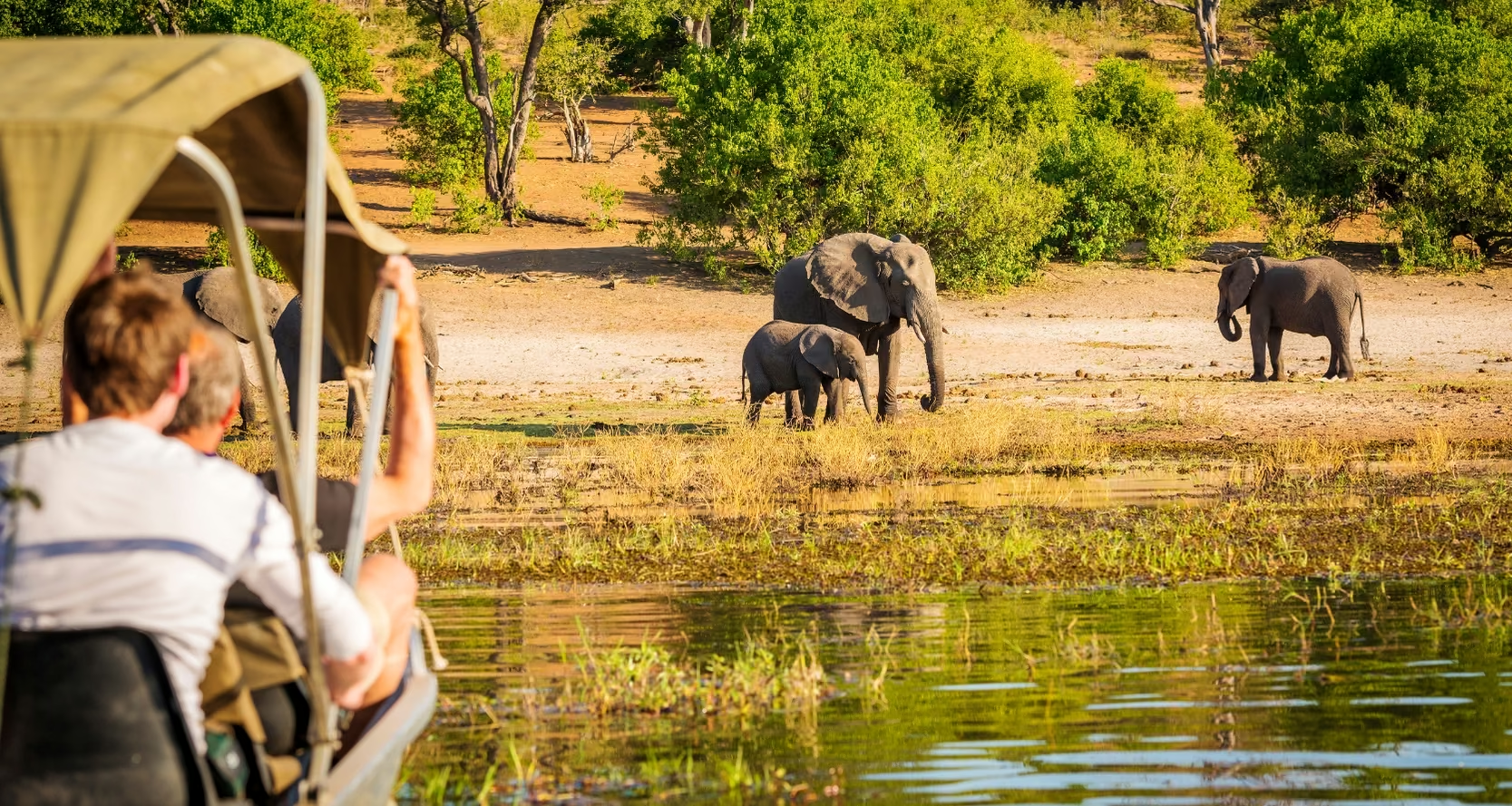
Selous Game Reserve / Nyerere National Park
Overview of Selous Game Reserve and Nyerere National Park
Few wilderness areas in Africa convey a sense of scale and remoteness like the vast protected landscapes historically associated with the Selous Game Reserve and today’s Nyerere National Park in southern Tanzania.
For many decades, Selous Game Reserve was known as one of the largest protected wildlife areas in Africa. In recent years, a large northern portion of the historic reserve was designated as Nyerere National Park, creating one of Tanzania’s most important safari destinations while the remaining Selous Game Reserve continues as a separate protected area.
For travelers planning a Tanzania safari in 2026, it is therefore important to understand that Nyerere National Park and Selous Game Reserve are connected historically and ecologically, but they are not exactly the same protected area.
Nyerere National Park covers approximately 30,893 square kilometres, making it one of the largest national parks in Africa. Together with surrounding protected landscapes, the wider ecosystem forms an immense wilderness of rivers, lakes, wetlands, miombo woodland, open plains and wildlife corridors.
The park is famous for the mighty Rufiji River, one of the largest river systems in East Africa. Its channels, lakes and wetlands attract elephants, buffaloes, hippos, crocodiles, giraffes, lions, leopards, African wild dogs and an extraordinary variety of birds.
Unlike many traditional safari parks where game drives dominate the entire experience, Nyerere allows visitors to combine game drives, boat safaris, walking safaris and photographic experiences, making it one of the most diverse safari destinations in Tanzania.
At Woodland Trek & Safaris, based in Arusha, Tanzania, we organize carefully planned Nyerere National Park safaris, Southern Tanzania safari packages, Selous safari experiences, fly in safaris, boat safaris, walking adventures and customized wildlife itineraries for travelers looking for a quieter and more varied African wilderness experience.
History of Selous Game Reserve and Nyerere National Park
The history of this remarkable landscape stretches back more than a century.
The area that later became known as Selous Game Reserve was first protected during the early twentieth century under German colonial administration.
Over time, different protected areas were combined and expanded, eventually creating one of the largest game reserves in Africa.
The reserve was later named after Frederick Courteney Selous, a British explorer, hunter and conservation figure whose name became closely associated with the region.
For many decades, Selous Game Reserve covered an immense territory of more than 50,000 square kilometres.
Its enormous size protected rivers, forests, grasslands and wildlife corridors supporting large populations of African mammals.
The landscape later gained international recognition for its ecological importance, wilderness character and relatively undisturbed natural ecosystems.
In 2019, a large northern section of the historic Selous Game Reserve was designated Nyerere National Park.
The national park was named in honor of Julius Kambarage Nyerere, the founding president of Tanzania and one of the most important figures in the country’s modern history.
Today, Nyerere National Park represents the main photographic tourism area historically associated with northern Selous, while other portions of the original reserve continue under different conservation and management arrangements.
For travelers, the name Selous safari is still widely recognized in international tourism, but many safari itineraries now correctly refer to the main photographic destination as Nyerere National Park.
Geography Size and Ecology of Nyerere National Park
Nyerere National Park covers approximately 30,893 square kilometres, making it vastly larger than most conventional safari destinations.
Its size allows wildlife to move naturally across enormous distances and creates a powerful sense of wilderness.
The geography includes:
- The Rufiji River
- Lakes and river channels
- Seasonal wetlands
- Open grasslands
- Miombo woodland
- Riverine forest
- Palm lined waterways
- Low hills
- Dry woodland
- Savannah
This diversity supports a very wide range of wildlife.
The Rufiji River
The Rufiji River is the ecological heart of Nyerere National Park.
It flows through the landscape before eventually reaching the Indian Ocean.
Within the park, the river creates a network of channels, lakes, sandbanks and wetlands.
These environments provide essential water and habitat for large numbers of animals.
Common wildlife associated with the Rufiji system includes:
- Hippos
- Nile crocodiles
- Elephants
- Buffaloes
- Waterbucks
- Giraffes
- Antelopes
- Monkeys
- Numerous waterbirds
During the dry season, wildlife becomes increasingly dependent on permanent water, making the river one of the most productive areas for safari viewing.
Lakes and Wetlands
Several lakes and seasonal water bodies occur within the Nyerere ecosystem.
These wetlands attract hippos, crocodiles, birds and grazing animals.
The combination of river and lake environments creates some of the best opportunities for boat safaris in Tanzania.
The reflective water, palm trees and wildlife along the banks also make Nyerere especially rewarding for photographers.
Miombo Woodlands
Large parts of the park are covered by miombo woodland, an ecosystem common across central and southern Africa.
These woodlands support:
- Elephants
- African wild dogs
- Leopards
- Antelopes
- Birds
- Smaller mammals
Miombo areas can sometimes make wildlife harder to locate than on open plains, but they provide critical habitat and add ecological variety.
Open Plains and Grasslands
Open areas support grazing animals and predators.
Visitors may encounter:
- Buffaloes
- Zebras
- Wildebeest
- Giraffes
- Impalas
- Waterbucks
- Lions
The combination of woodland, grassland and river habitats allows game drives to feel varied throughout the day.
Wildlife of Nyerere National Park
Nyerere National Park is one of Southern Tanzania’s most important large mammal ecosystems.
Wildlife includes:
- African elephants
- African buffaloes
- Lions
- Leopards
- African wild dogs
- Spotted hyenas
- Giraffes
- Zebras
- Wildebeest
- Impalas
- Waterbucks
- Hippos
- Nile crocodiles
- Warthogs
- Bushbucks
- Greater kudu in suitable habitats
The park is especially attractive to travelers interested in predator ecology, elephants and river wildlife.
African Wild Dogs
One of Nyerere’s most celebrated animals is the African wild dog.
The wider ecosystem has historically been one of the most important habitats for this endangered predator.
Wild dogs live in highly social packs and travel across large territories.
Sightings are never guaranteed, but encountering a pack can become one of the most exciting moments of a Southern Tanzania safari.
Visitors may observe wild dogs:
- Traveling together
- Resting in shade
- Interacting socially
- Hunting
- Caring for pups
Their highly coordinated behavior makes them fascinating to watch.
Lions and Other Predators
Lions are widely distributed across suitable areas of Nyerere.
They may be found around open plains, river systems or wildlife concentrations.
Leopards also occur in the park, particularly around woodland and riverine habitats.
Spotted hyenas are present and play an important role as both hunters and scavengers.
The predator diversity of Nyerere makes it an excellent destination for travelers seeking a more remote alternative to Serengeti.
Elephants and Buffaloes
Elephants are among the most impressive animals of the Nyerere ecosystem.
Visitors may see family groups moving between woodland, riverbanks and open plains.
Buffalo herds can also be substantial, especially where grazing and water conditions are favorable.
During the dry season, both elephants and buffaloes increasingly gather around permanent water.
Hippos and Crocodiles
The Rufiji River and its associated lakes support large populations of hippos and Nile crocodiles.
Boat safaris provide excellent opportunities to observe these animals from the water.
Hippos may be seen resting in channels during the day, while crocodiles frequently lie along sandbanks or river edges.
These encounters are one of the major differences between Nyerere and many vehicle focused safari destinations.
Birdlife in Nyerere National Park
Nyerere is an outstanding destination for bird watching safaris in Southern Tanzania.
Its rivers, lakes, wetlands, woodland and grasslands support hundreds of bird species.
Birdwatchers may encounter:
- African fish eagles
- Kingfishers
- Bee eaters
- Storks
- Herons
- Egrets
- Hornbills
- Vultures
- Eagles
- Waterfowl
- Woodland birds
- Seasonal migratory species
The combination of boat safaris and game drives allows travelers to observe both aquatic and terrestrial birdlife.
For specialist birders, Nyerere can be combined with Ruaha, Mikumi and Udzungwa to create a diverse Southern Tanzania birding itinerary.
Accessibility and How to Reach Nyerere National Park
Nyerere National Park can be reached by both air and road, though flying is generally the most convenient option for international travelers.
Reaching Nyerere by Air
Scheduled and charter flights commonly connect the park with major tourism hubs.
Depending on current schedules, travelers may fly from:
- Dar es Salaam
- Zanzibar
- Arusha
- Other Southern Tanzania safari destinations
Flights land at different bush airstrips serving specific camps and safari regions.
From the airstrip, guests are usually met by safari vehicles and transferred directly to their accommodation.
Fly in safaris are particularly suitable for:
- Luxury travelers
- Honeymooners
- Families
- Photographers
- Travelers with limited time
- Guests combining Nyerere with Ruaha or Zanzibar
Reaching Nyerere by Road
Road travel is also possible, especially from Dar es Salaam.
Travel time varies significantly depending on road conditions, weather and the section of the park being visited.
A reliable 4×4 safari vehicle is strongly recommended.
Road safaris can be attractive for travelers who enjoy overland journeys and want to combine Nyerere with other Southern Tanzania destinations.
At Woodland Trek & Safaris, we organize domestic flights, private vehicles, park transfers, professional guides, boat activities and accommodation for complete Nyerere safari itineraries.
Best Time to Visit Nyerere National Park
Nyerere can be visited during much of the year, but wildlife viewing and road conditions change significantly according to season.
The dry season from approximately June to October is generally considered the strongest period for classic game viewing.
June to October
As seasonal water sources disappear, wildlife becomes increasingly concentrated around rivers, lakes and remaining pools.
This creates excellent opportunities to see:
- Elephants
- Buffaloes
- Lions
- African wild dogs
- Hippos
- Crocodiles
- Giraffes
- Antelopes
Vegetation becomes thinner in many areas, improving visibility.
This period is particularly suitable for:
- Game drives
- Boat safaris
- Walking safaris
- Wildlife photography
- Luxury fly in safaris
September and October can become especially dry and hot, but wildlife concentrations around water can be excellent.
November to February
Seasonal rains begin transforming the landscape.
The park becomes greener and wildlife starts dispersing.
Birdlife can be particularly rewarding as migratory species arrive.
This period is attractive for:
- Bird watching
- Green season photography
- Fewer visitors
- Lush landscapes
- Dramatic skies
March to May
These months generally receive heavier rainfall.
Some tracks can become difficult, while certain camps may operate seasonally.
The park becomes extremely green and scenic.
Travel logistics can be more challenging, but birdlife and photography can be excellent.
For first time travelers focused primarily on wildlife, June through October is usually the preferred season.
Common Activities in Nyerere National Park
One of Nyerere’s greatest strengths is the variety of safari activities available.
Travelers are not limited to vehicle based wildlife viewing.
Game Drives
Game drives remain one of the main activities.
Visitors explore woodland, grasslands, lakes and river corridors in search of wildlife.
A typical game drive may reveal:
- Lions
- African wild dogs
- Elephants
- Buffaloes
- Giraffes
- Zebras
- Antelopes
- Hippos near water
Morning and late afternoon game drives are especially productive.
Full day drives allow travelers to explore quieter areas farther from camp.
Rufiji River Boat Safaris
A boat safari on the Rufiji River is one of the signature experiences of Nyerere National Park.
Travelers move slowly along river channels while observing wildlife from a completely different perspective.
Common sightings may include:
- Hippos
- Crocodiles
- Fish eagles
- Kingfishers
- Elephants along the riverbank
- Buffaloes
- Monkeys
- Waterbirds
Sunset boat safaris can be especially beautiful as the landscape changes color and wildlife becomes increasingly active.
Walking Safaris
Nyerere is one of Tanzania’s excellent destinations for guided walking safaris.
Walking provides a far more intimate understanding of the ecosystem.
Instead of focusing only on large animals, visitors learn about:
- Animal tracks
- Plants
- Insects
- Bird calls
- Droppings
- Wildlife behavior
- Survival strategies
- Ecology
Walks are conducted with trained professionals according to park regulations and safety procedures.
For many travelers, walking through the African wilderness becomes one of the most memorable parts of the journey.
Wildlife Photography
Nyerere offers excellent opportunities for photographers.
Popular subjects include:
- African wild dogs
- Lions
- Elephants
- Hippos
- Crocodiles
- Rufiji River landscapes
- Birds
- Palm lined channels
- Dramatic sunsets
- Boat safari scenes
The low density of safari vehicles can provide photographers with more time at wildlife sightings.
Bird Watching
Birding can be incorporated into game drives, boat safaris and walking activities.
The variety of habitats makes Nyerere especially suitable for travelers who want to combine mammals and birds in one itinerary.
Sundowners and Bush Dining
Selected camps and lodges may arrange:
- Sundowner drinks
- Bush breakfasts
- Bush lunches
- Private dinners
- Riverbank dining
These experiences allow guests to enjoy the landscape outside the normal lodge environment while following appropriate safety procedures.
Fishing Experiences
Fishing may be arranged in selected areas where permitted and according to current park regulations.
The Rufiji River system contains several fish species and can provide an additional activity for interested travelers.
Availability should always be confirmed during itinerary planning.
Accommodation Options in Nyerere National Park
Nyerere offers a wide range of accommodation from luxury safari lodges to intimate tented camps.
Because the park is enormous, location is extremely important.
The best accommodation depends on the season, activities and wildlife interests.
Luxury Safari Lodges
Luxury lodges provide premium comfort in remote wilderness settings.
Facilities may include:
- Spacious suites
- Private verandas
- Swimming pools
- Fine dining
- Premium drinks
- Boat safari arrangements
- Walking safaris
- Private vehicles
- Laundry services
- Personalized guiding
These properties are particularly suitable for luxury Tanzania safaris, honeymoon adventures and exclusive wildlife holidays.
Luxury Tented Camps
Luxury tented camps offer a classic African safari atmosphere combined with sophisticated comfort.
Guests may enjoy:
- Large canvas suites
- Private bathrooms
- Comfortable beds
- River or wilderness views
- Fine dining
- Professional safari guiding
- Intimate camp environments
Sleeping beneath canvas allows travelers to remain closely connected to the sounds of the wilderness.
Midrange Safari Camps
Midrange camps provide good comfort at more moderate prices.
Typical facilities include:
- En suite tents or rooms
- Restaurants
- Lounge areas
- Electricity or solar power
- Guided activities
These properties work well for couples, families and private groups.
Seasonal Camps
Some camps operate according to the dry season and wildlife concentrations.
These can provide excellent access to productive game viewing areas.
Because availability may be limited, advance booking is recommended during peak periods.
Camping
Professionally organized camping safaris may be available in suitable designated areas.
Camping can provide a more adventurous connection to the wilderness.
Proper logistics, food preparation, guiding and safety arrangements are essential.
At Woodland Trek & Safaris, we select accommodation according to your budget, preferred comfort level, activities, travel dates and safari route.
How Many Days Should You Spend in Nyerere National Park
Because Nyerere is extremely large and offers multiple activities, travelers benefit from staying more than one or two nights.
Suggested stays include:
- 2 nights for a brief introduction
- 3 nights for game drives and a boat safari
- 4 nights for a balanced safari including walking
- 5 nights or more for photographers, wildlife enthusiasts and travelers seeking a slower pace
For most visitors, three to four nights provides an excellent balance.
Additional time allows travelers to explore different habitats and enjoy the park without rushing.
Important Travel Considerations
Travelers planning a Nyerere safari should consider several practical factors.
These include:
- Large distances within the park
- Seasonal road conditions
- High temperatures during the late dry season
- Limited infrastructure in remote areas
- Seasonal operation of some camps
- Boat activities depending on water and safety conditions
- Wildlife sightings remaining completely natural
- The importance of professional guides
- Mosquito and insect protection
- Sun protection and hydration
Travelers should also understand that the remoteness of Nyerere is part of its appeal.
This is a destination for visitors who appreciate space, silence and immersive wilderness rather than high density tourism.
Why Visit Nyerere National Park
Nyerere National Park offers one of the most complete safari experiences in Tanzania.
Few major destinations combine game drives, boating, walking and vast wilderness within one protected area.
Travelers choose Nyerere for:
- The Rufiji River
- Boat safaris
- African wild dogs
- Lions
- Elephants
- Buffaloes
- Hippos
- Crocodiles
- Walking safaris
- Rich birdlife
- Low visitor numbers
- Vast wilderness
- Excellent wildlife photography
- Easy combination with Zanzibar
- Southern Tanzania safari experiences
For travelers who want to experience Tanzania beyond the traditional Northern Circuit, Nyerere is one of the strongest choices.
Combining Nyerere With Other Tanzania Destinations
Nyerere National Park is an important part of the Southern Tanzania safari circuit.
Popular combinations include:
- Nyerere and Ruaha National Park
- Nyerere and Mikumi National Park
- Nyerere and Udzungwa Mountains National Park
- Nyerere and Saadani National Park
- Nyerere and Zanzibar
- Nyerere and Mafia Island
A particularly rewarding itinerary combines Nyerere and Ruaha.
Nyerere offers rivers, lakes, boat safaris and walking experiences.
Ruaha provides baobab landscapes, large lion populations, elephants and dramatic dry country wilderness.
Travelers can then continue to Zanzibar or Mafia Island for a tropical beach holiday.
This creates a complete Tanzania journey combining wildlife, boat safaris, walking adventures, remote wilderness and Indian Ocean relaxation.
Plan Your Nyerere National Park Safari With Woodland Trek & Safaris
Some wildernesses are measured by the number of animals you see.
Others are remembered for the feeling that the landscape could continue forever.
Nyerere National Park offers both.
Here, the Rufiji River winds between palm trees and sandbanks while hippos surface beneath passing boats. Elephants appear from woodland to drink, crocodiles rest along exposed banks and African wild dogs move through territories stretching far beyond the horizon.
The experience changes completely when you leave the vehicle.
A boat takes you onto the river.
A walking safari brings you closer to the details of the bush.
A game drive carries you deep into one of Africa’s largest national parks.
At Woodland Trek & Safaris, based in Arusha, Tanzania, we create personalized Nyerere National Park safari packages, Selous safari experiences, Southern Tanzania wildlife tours, Rufiji River boat safaris, walking safaris, fly in adventures, honeymoon journeys and customized Tanzania itineraries.
Whether you want to explore Nyerere for several days, combine it with Ruaha, add Mikumi and Udzungwa or finish your safari beside the Indian Ocean in Zanzibar, our team can design the journey around your travel dates, interests, budget and preferred level of comfort.
Leave the familiar safari routes behind, follow the Rufiji River into the wilderness and discover one of Tanzania’s largest, wildest and most rewarding protected landscapes.
Explore Nyerere National Park and the historic Selous wilderness with Woodland Trek & Safaris and experience Southern Tanzania where rivers, wildlife and endless landscapes define the journey.
Practical Info
How to Book Your Safari
Preparing for a Safari
Preparing for Mountain Climbing
Visa in Tanzania
Conservation In Tanzania
Weather In Tanzania
Read Reviews

Follow us
- Woodland Trek Safaris Ltd
- @woodlandtrek_safari
- +255 682 956 506
- +255 769 950 057
- info@woodlandtrekandsafaris.com
- sales@woodlandtrekandsafaris.com
- Arusha, Tanzania
We Accept