
Pemba Island

Pemba Island
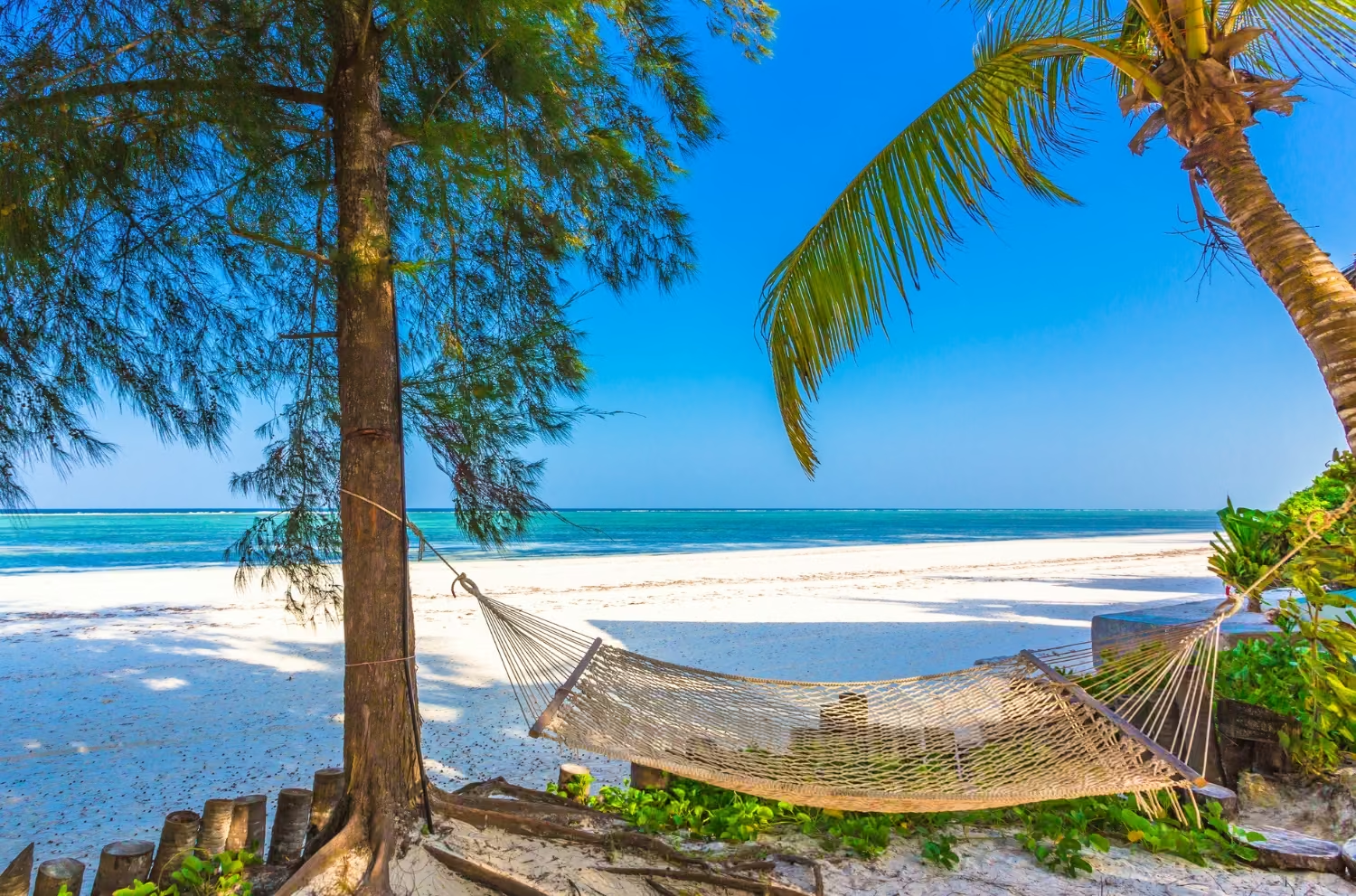
Quiet, green and beautifully untouched, Pemba Island is one of Tanzania’s most distinctive Indian Ocean destinations. Located north of Zanzibar’s main island of Unguja, Pemba offers a more secluded alternative for travelers seeking pristine beaches, world class diving, coral reefs, traditional Swahili culture, spice plantations and peaceful coastal landscapes.
Often described as the greener and more rugged sister of Zanzibar, Pemba is known for its rolling hills, fertile clove plantations, mangrove forests, hidden coves and deep surrounding waters. The island attracts divers, honeymooners, nature lovers, photographers and travelers looking for a slower, more private beach experience away from busier tourism centers.
For travelers planning a Tanzania holiday in 2026, Pemba is an excellent choice for luxury island escapes, diving holidays, romantic honeymoons, eco tourism, cultural experiences and safari and beach combinations.
Unlike destinations built around nightlife and large resort developments, Pemba’s appeal is more intimate. Days may begin with views across the ocean, continue with reef diving or village exploration and end with a quiet sunset surrounded by tropical vegetation.
At Woodland Trek & Safaris, based in Arusha, Tanzania, we create personalized Pemba Island holidays, luxury beach extensions, diving itineraries, honeymoon packages and customized Tanzania safari and island journeys for travelers who want to experience the quieter side of the Zanzibar Archipelago.
History of Pemba Island
Pemba has a long history shaped by Indian Ocean trade, African settlement, Arab influence, farming and maritime culture.
For centuries, the island formed part of the commercial networks linking the East African coast with Arabia, Persia and the Indian subcontinent.
Its fertile soil made Pemba especially important for agriculture, particularly the production of cloves, which became one of the island’s defining economic and cultural features.
Swahili communities developed along the coast, combining African traditions with influences introduced through centuries of ocean trade.
Over time, Pemba became connected politically and economically with the wider Zanzibar Sultanate and later with the historical developments that shaped modern Zanzibar and Tanzania.
Today, traces of the island’s past remain visible in:
- Traditional villages
- Historic settlement areas
- Old ruins
- Clove plantations
- Swahili architecture
- Fishing communities
- Coastal trading traditions
Pemba’s history is less urbanized than Stone Town’s, but it remains deeply connected to the same Indian Ocean cultural world.
Geography Size and Ecology of Pemba Island
Pemba Island covers approximately 988 square kilometres and lies roughly 50 kilometres north of Unguja.
Its terrain is more elevated and undulating than much of Zanzibar’s main island.
The landscape is characterized by:
- Rolling green hills
- Clove plantations
- Tropical vegetation
- Mangrove creeks
- Coral coastlines
- Sandy beaches
- Small offshore islands
- Deep surrounding channels
The combination of fertile land and rich marine ecosystems makes Pemba ecologically distinctive.
Coral Reefs and Marine Ecosystems
The waters around Pemba are internationally known for excellent diving and snorkeling.
Steep reef walls and channels support a wide variety of marine life.
Travelers may encounter:
- Colorful reef fish
- Sea turtles
- Rays
- Moray eels
- Reef sharks in suitable areas
- Large schools of fish
- Coral gardens
- Other marine species
The island’s relatively low tourism pressure has helped some reef areas retain a strong sense of natural beauty.
Responsible marine tourism is essential to protecting these fragile ecosystems.
Mangrove Forests
Pemba contains extensive mangrove habitats.
These ecosystems are extremely important because they:
- Protect shorelines
- Provide breeding grounds for fish
- Support birds
- Store carbon
- Protect coastal biodiversity
Mangrove channels also create beautiful environments for kayaking, bird watching and nature photography.
Fertile Interior and Clove Plantations
Pemba is one of the most fertile islands in the Zanzibar Archipelago.
The interior is intensely green and agricultural.
Cloves are among the most important crops, alongside:
- Bananas
- Cassava
- Coconut
- Tropical fruits
- Other spices
The agricultural landscapes are an important part of the island’s cultural identity.
Wildlife and Birdlife on Pemba Island
Pemba is not a traditional wildlife safari destination, but it supports interesting coastal and terrestrial species.
Visitors may encounter:
- Pemba flying foxes
- Small mammals
- Reptiles
- Coastal birds
- Forest birds
- Waterbirds
- Marine species
The Pemba flying fox, a large fruit bat endemic to the island, is one of its most distinctive animals.
Birdwatchers may also find the island rewarding, particularly around mangroves, agricultural areas and coastal habitats.
Accessibility and How to Reach Pemba Island
Pemba is more remote than Zanzibar’s main island, but it remains accessible by air and sea.
Reaching Pemba by Air
Flying is the most convenient option for most travelers.
Domestic flights may connect Pemba with:
- Zanzibar
- Dar es Salaam
- Other Tanzanian aviation hubs depending on schedules
The main airport serves the island and connects visitors with major accommodation areas by road transfer.
For travelers combining safari and beach, the usual route is to fly from the mainland to Zanzibar or directly through available domestic connections before continuing to Pemba.
Reaching Pemba by Sea
Ferry and boat connections may be available depending on route and schedule.
Sea journeys can take longer and may be affected by weather and ocean conditions.
For international visitors prioritizing comfort and time, flying is usually the preferred choice.
At Woodland Trek & Safaris, we can arrange domestic flights, airport transfers, accommodation, marine activities and complete Pemba Island logistics.
Best Time to Visit Pemba Island
Pemba can be visited throughout much of the year, but weather and sea conditions influence the overall experience.
The best periods are generally during the drier seasons.
June to October
This is one of the most popular periods for visiting Pemba.
Conditions are generally suitable for:
- Diving
- Snorkeling
- Beach relaxation
- Cultural tours
- Hiking
- Photography
- Honeymoons
The weather is usually pleasant and humidity can be more manageable.
December to February
These months are warmer and can offer excellent beach and marine conditions.
This period is popular for:
- Tropical beach holidays
- Diving
- Romantic travel
- Luxury resort stays
- Watersports
November
Short rains may occur.
The island becomes greener and tourism numbers can be lower.
Diving and beach activities may still be possible between showers.
March to May
This period generally receives heavier rainfall.
Some smaller accommodations or activities may operate seasonally.
Road and sea conditions can also be less predictable.
For first time visitors, June to October is generally an excellent period for combining good weather, marine activities and comfort.
Common Activities on Pemba Island
Pemba offers a variety of marine, cultural and nature based experiences.
Scuba Diving
Scuba diving in Pemba Island is one of the destination’s greatest attractions.
The island is surrounded by deep channels and dramatic reef formations.
Popular diving experiences may include:
- Reef walls
- Coral gardens
- Drift diving
- Large schools of fish
- Turtle encounters
- Reef predators
- Macro marine life
The quality of diving depends on location, season, current and diver experience.
Pemba is especially suitable for experienced divers looking for quieter and more adventurous underwater environments.
Snorkeling
Travelers who do not scuba dive can still enjoy coral reefs through snorkeling.
Excursions may include:
- Shallow reef areas
- Tropical fish
- Coral gardens
- Clear water lagoons
- Small offshore islands
Responsible operators should avoid damaging coral and should provide proper guidance.
Beach Relaxation
Pemba’s beaches are quieter and less commercialized than many popular Zanzibar beaches.
Visitors can enjoy:
- Swimming
- Sunbathing
- Beach walks
- Reading
- Private picnics
- Sunset views
The peaceful setting makes Pemba especially attractive for honeymooners and travelers seeking privacy.
Clove and Spice Tours
Agriculture plays a major role in Pemba’s identity.
Guided tours may introduce visitors to:
- Cloves
- Coconut
- Bananas
- Local fruits
- Spice cultivation
- Traditional farming practices
These tours provide insight into how the island’s fertile interior supports local livelihoods.
Cultural Village Visits
Pemba’s villages provide meaningful opportunities to experience Swahili island life.
Visitors may learn about:
- Fishing
- Farming
- Local cuisine
- Crafts
- Community traditions
- Island history
Respectful cultural tourism helps create a deeper connection with the island beyond the resort experience.
Mangrove Exploration
Mangrove areas can be explored by boat or kayak where available.
These excursions may include:
- Bird watching
- Coastal ecology
- Photography
- Learning about mangrove conservation
- Quiet creek exploration
The mangrove environment offers a completely different perspective from the open ocean.
Bird Watching
Pemba is rewarding for travelers interested in coastal and island birdlife.
Birding can be especially productive around:
- Mangroves
- Plantations
- Forest remnants
- Coastal wetlands
- Village landscapes
Fishing
Traditional and recreational fishing activities may be arranged depending on local regulations and operator availability.
Visitors may also learn about the role of fishing in local communities.
Boat Excursions
Boat trips can take travelers to:
- Offshore reefs
- Sandbanks
- Small islands
- Snorkeling sites
- Sunset locations
These excursions combine scenery, relaxation and marine exploration.
Nature and Photography Tours
Pemba’s rolling landscapes, plantations and coastlines make it excellent for photography.
Popular subjects include:
- Green hills
- Clove plantations
- Fishing boats
- Coral coastlines
- Mangroves
- Village life
- Sunsets
- Tropical beaches
The island’s low visitor density allows photographers to work in a more relaxed environment.
Accommodation Options on Pemba Island
Accommodation on Pemba is generally more intimate and limited than on Unguja.
This reinforces the island’s exclusive atmosphere.
Luxury Island Resorts
Luxury resorts may offer:
- Private villas
- Ocean views
- Swimming pools
- Fine dining
- Spa services
- Diving centers
- Private beach areas
- Personalized excursions
These properties are ideal for luxury Pemba Island holidays, honeymoon escapes and romantic travel.
Boutique Lodges
Boutique lodges provide smaller scale accommodation with personalized service.
They may focus on:
- Eco tourism
- Diving
- Culture
- Nature
- Relaxation
These properties are suitable for travelers who prefer character and privacy.
Midrange Hotels and Lodges
Midrange accommodation provides good comfort at more moderate prices.
Typical facilities may include:
- En suite rooms
- Restaurants
- Gardens
- Sea views
- Activity arrangements
Guesthouses
Simple guesthouses are available in some towns and villages.
They are suitable for budget travelers and visitors seeking a more local atmosphere.
At Woodland Trek & Safaris, we recommend Pemba accommodation according to your travel style, budget, marine interests and preferred level of privacy.
How Many Days Should You Spend on Pemba Island
Pemba is best enjoyed at a slower pace.
Suggested stays include:
- 3 nights for a short island extension
- 4 to 5 nights for diving, beaches and cultural activities
- 6 to 7 nights for a relaxed holiday
- 8 nights or more for dedicated diving trips and longer island exploration
For most travelers combining Pemba with a mainland safari, four to six nights provides a good balance.
Important Travel Considerations
Pemba is quieter and less developed for mass tourism than Zanzibar’s main island.
Travelers should consider:
- Limited flight schedules
- Fewer accommodation choices
- Seasonal weather changes
- Variable road conditions in rural areas
- Strong tropical sun
- Mosquito and insect protection
- Respectful clothing in villages
- Permission before photographing local people
- Responsible coral reef practices
- Sea conditions affecting boat activities
The island is particularly suitable for travelers who value privacy, nature and cultural authenticity over nightlife and large resort entertainment.
Why Visit Pemba Island
Pemba offers a different kind of Indian Ocean escape.
It is greener, quieter and more intimate than many better known beach destinations.
Travelers choose Pemba for:
- Exceptional scuba diving
- Pristine coral reefs
- Quiet beaches
- Clove plantations
- Swahili culture
- Pemba flying foxes
- Mangrove ecosystems
- Low visitor numbers
- Honeymoon travel
- Eco tourism
- Marine photography
- Peaceful island atmosphere
- Easy combination with Tanzania safaris
For travelers who want a beach holiday with a stronger sense of discovery, Pemba is one of Tanzania’s most rewarding choices.
Combining Pemba Island With a Tanzania Safari
Pemba works particularly well as a beach extension after a mainland safari.
Popular combinations include:
- Pemba and Serengeti National Park
- Pemba and Ngorongoro Conservation Area
- Pemba and Tarangire National Park
- Pemba and Nyerere National Park
- Pemba and Ruaha National Park
- Pemba and Mount Kilimanjaro
A particularly rewarding journey can begin with wildlife in Serengeti and Ngorongoro before continuing to Pemba for several days of beach relaxation and diving.
Travelers seeking a more adventurous Tanzania itinerary may combine:
- Kilimanjaro climbing
- Northern Tanzania safari
- Pemba Island
This creates a complete journey involving mountains, wildlife, culture, coral reefs and tropical beaches.
Plan Your Pemba Island Holiday With Woodland Trek & Safaris
Some islands are designed for crowds.
Pemba Island feels designed for travelers who want space.
Here, green hills roll toward the coast, clove plantations fill the interior with tropical fragrance and coral reefs disappear into deep blue water just beyond the shoreline.
The pace is slower.
Fishing boats move between villages, mangrove creeks remain quiet beneath the afternoon sun and evenings settle gently over beaches where the sound of the ocean becomes the main entertainment.
At Woodland Trek & Safaris, based in Arusha, Tanzania, we create personalized Pemba Island holiday packages, Tanzania safari and beach combinations, luxury diving holidays, honeymoon escapes, cultural tours and customized Indian Ocean itineraries.
Whether you want to finish a Serengeti safari with several peaceful nights on Pemba, plan a dedicated diving holiday or combine the island with Zanzibar and mainland Tanzania, our team can design the journey around your travel dates, interests and preferred level of comfort.
Travel beyond the familiar beach resorts, follow the green landscapes toward the Indian Ocean and discover one of Tanzania’s most peaceful island escapes.
Explore Pemba Island with Woodland Trek & Safaris and experience a quieter, greener and beautifully untouched side of the Zanzibar Archipelago.
Practical Info
How to Book Your Safari
Preparing for a Safari
Preparing for Mountain Climbing
Visa in Tanzania
Conservation In Tanzania
Weather In Tanzania
Read Reviews

Follow us
- Woodland Trek Safaris Ltd
- @woodlandtrek_safari
- +255 682 956 506
- +255 769 950 057
- info@woodlandtrekandsafaris.com
- sales@woodlandtrekandsafaris.com
- Arusha, Tanzania
We Accept