
Weather In Tanzania

Home Weather In Tanzania
Weather In Tanzania
Understanding the weather in Tanzania is an important part of planning a successful safari, mountain climb, beach holiday, or cultural journey. Tanzania has a generally tropical climate, but conditions vary significantly depending on altitude, region, and season. Coastal destinations tend to be warm and humid, while areas such as Arusha, Ngorongoro, and the highlands can be much cooler, especially in the mornings and evenings.
At Woodland Trek & Safaris, based in Arusha, Tanzania, we help travellers choose the best travel period according to their interests, whether they are planning a Tanzania safari, Serengeti Great Migration safari, Kilimanjaro climb, Zanzibar holiday, family safari, honeymoon, or photographic adventure.
- Understanding Tanzania’s Climate
Tanzania experiences several different climatic zones because of its large size, varied elevation, mountains, lakes, and Indian Ocean coastline. In general, the country has warm temperatures throughout much of the year, but weather conditions differ between northern safari regions, southern parks, coastal areas, islands, and mountain environments.
The main climate characteristics include:
- Warm tropical conditions across much of the country
- Cooler temperatures in highland areas such as Arusha and Ngorongoro
- Higher humidity along the coast and on Zanzibar
- Dry and sunny conditions during much of the main safari season
- Seasonal rainfall that varies between different regions
Northern Tanzania, including Serengeti National Park, Tarangire National Park, Lake Manyara, Ngorongoro, and Arusha, generally experiences pleasant safari conditions for much of the year. However, early morning game drives can feel surprisingly cool, especially at higher elevations.
- Dry Seasons and the Best Safari Weather
The dry season is one of the most popular periods for a Tanzania wildlife safari because vegetation becomes thinner and animals often gather around rivers, waterholes, and permanent water sources.
From approximately June to October, many safari destinations experience relatively dry conditions with sunny days and comfortable temperatures.
Advantages of travelling during the dry season include:
- Excellent wildlife viewing conditions
- Less dense vegetation in many national parks
- Comfortable road conditions for safari drives
- Lower humidity in many inland areas
- Clear skies and attractive photography conditions
- High chances of seeing wildlife around water sources
This period is especially popular for travellers visiting Serengeti, Ngorongoro, Tarangire, Ruaha, and Nyerere National Park.
Because the dry season is highly sought after, popular lodges and camps can become busy. Booking your Tanzania safari early is recommended if you intend to travel during peak months.
- Rainy Seasons and the Green Safari Experience
Rain in Tanzania does not mean that every day is completely wet. Rainfall often comes in short or intense showers, followed by periods of sunshine. The rains transform many safari landscapes into lush green environments filled with fresh vegetation, migratory birds, and newborn wildlife.
Many parts of northern Tanzania generally experience a shorter rainy period toward the end of the year and a longer rainy season between approximately March and May.
Travelling during wetter months can offer:
- Beautiful green landscapes
- Excellent birdwatching opportunities
- Fewer visitors in some destinations
- Dramatic skies for photography
- Opportunities to see young animals
- A quieter safari atmosphere
The green season can be especially rewarding in the Serengeti, where certain periods are associated with the wildebeest calving season and increased predator activity.
Some roads can become more challenging after heavy rain, but experienced guides and properly equipped safari vehicles allow travellers to continue exploring many destinations.
- Regional Weather Across Tanzania
Weather conditions vary considerably depending on where you travel in Tanzania.
Northern Tanzania
Arusha, Serengeti, Ngorongoro, Tarangire, and Lake Manyara generally have warm daytime temperatures, while mornings and evenings can be cool. Ngorongoro is particularly cooler because of its elevation.
Mount Kilimanjaro and Mount Meru
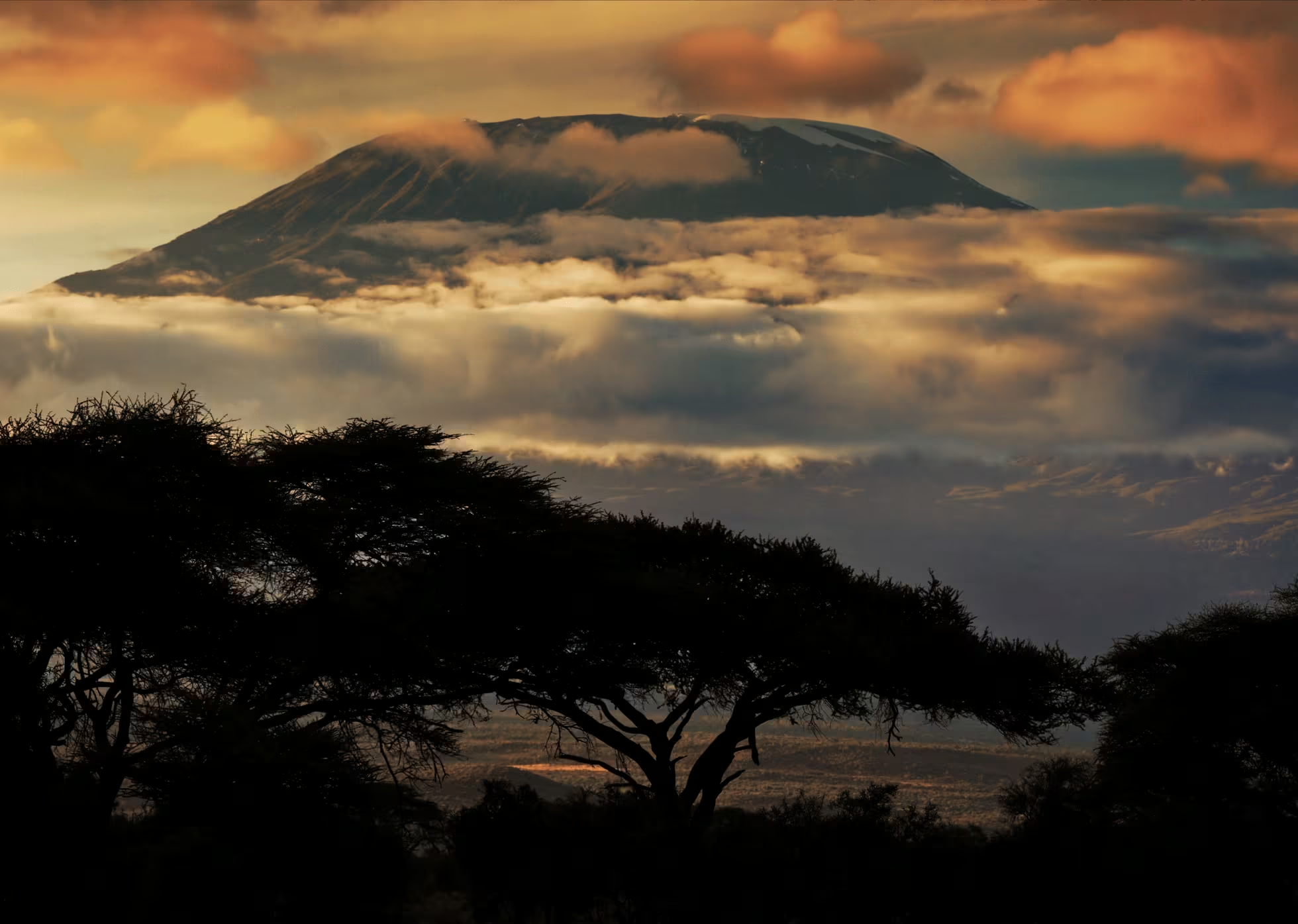
Mountain weather changes dramatically with altitude. Climbers may begin in warm conditions and experience freezing temperatures near the summit. Proper layered clothing is essential.
Southern Tanzania
Destinations such as Ruaha and Nyerere can become very warm during certain months. The dry season is particularly popular for wildlife viewing.
Zanzibar and the Coast
Zanzibar, Dar es Salaam, Mafia Island, and the Indian Ocean coastline experience warm tropical temperatures with higher humidity. Sea breezes often make coastal conditions pleasant.
Western Tanzania
Areas around Mahale, Gombe, Katavi, and Lake Tanganyika can experience warm conditions with seasonal rainfall influenced by local geography.
Because of these regional differences, the best time to visit Tanzania depends greatly on your chosen destinations and activities.
- Choosing the Best Time to Visit Tanzania
There is no single bad time to visit Tanzania because every season offers a different travel experience. The best period depends on what you want to see and do.
Travellers may choose their season based on:
- Wildlife safaris during the dry months
- Great Migration experiences in the Serengeti
- Wildebeest calving season
- Birdwatching during greener months
- Kilimanjaro and Mount Meru climbing conditions
- Zanzibar beach holidays
- Photography preferences
- Budget and accommodation availability
For safari travellers, lightweight and breathable clothing is useful during the day, while a warm jacket is recommended for early morning and evening game drives. Rain protection can also be useful depending on the season.
At Woodland Trek & Safaris, our experienced team in Arusha helps travellers plan Tanzania holidays according to seasonal wildlife movements, weather patterns, preferred destinations, and personal interests. Whether you dream of seeing the Great Migration in Serengeti, exploring Ngorongoro Crater, watching elephants in Tarangire, climbing Mount Kilimanjaro, or relaxing on the beaches of Zanzibar, choosing the right season can make your journey even more memorable.
Travel with Woodland Trek & Safaris and experience Tanzania in the season that perfectly matches your dream of Africa.
Practical Info
How to Book Your Safari
Preparing for a Safari
Preparing for Mountain Climbing
Visa in Tanzania
Conservation In Tanzania
Weather In Tanzania
Read Reviews

Follow us
- Woodland Trek Safaris Ltd
- @woodlandtrek_safari
- +255 682 956 506
- +255 769 950 057
- info@woodlandtrekandsafaris.com
- sales@woodlandtrekandsafaris.com
- Arusha, Tanzania
We Accept