
Conservation In Tanzania

Home Conservation In Tanzania
Conservation In Tanzania
Tanzania is one of Africa’s most extraordinary wildlife destinations, home to vast national parks, protected forests, ancient ecosystems, and an exceptional variety of animals and plants. From the endless plains of Serengeti National Park to the wildlife rich landscapes of the Ngorongoro Conservation Area, conservation plays a vital role in protecting the natural heritage that attracts travellers from around the world.
At Woodland Trek & Safaris, based in Arusha, Tanzania, we believe that responsible tourism and wildlife conservation must work together. Every safari offers travellers an opportunity to appreciate Tanzania’s natural beauty while contributing to the protection of its wildlife, communities, and fragile ecosystems.
- Protecting Tanzania’s Wildlife and Natural Habitats
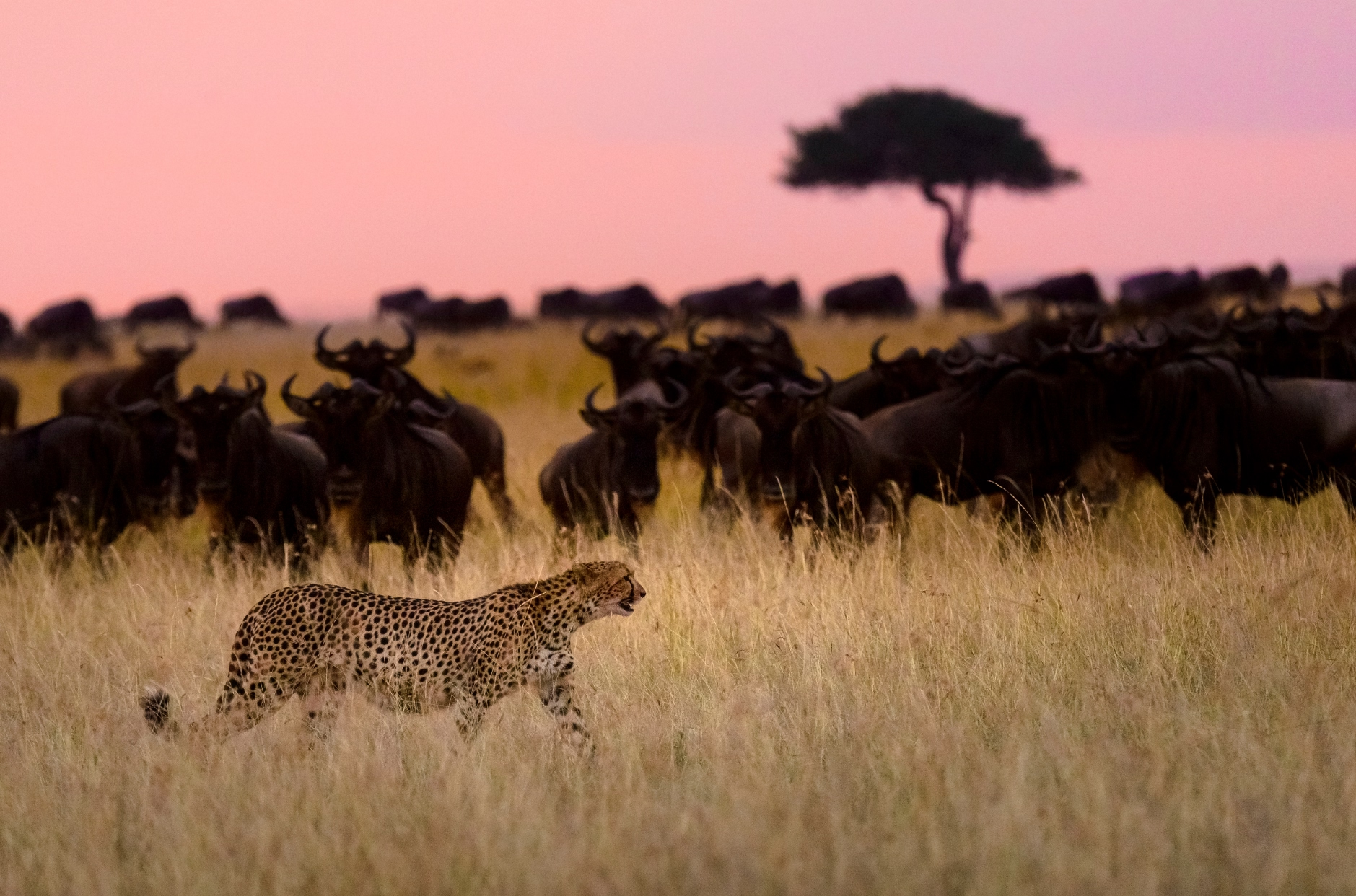
Tanzania is famous for its remarkable wildlife, including elephants, lions, leopards, cheetahs, giraffes, rhinoceroses, zebras, wildebeest, chimpanzees, and hundreds of bird species. These animals depend on healthy habitats, reliable water sources, and protected migration corridors for their survival.
Conservation programmes across the country focus on protecting important habitats such as savannahs, wetlands, forests, mountains, lakes, and coastal ecosystems. National parks and protected areas provide safe environments where wildlife can feed, breed, migrate, and thrive naturally.
Major conservation priorities include:
- Protecting endangered and threatened wildlife species
- Preserving natural habitats and wildlife migration routes
- Preventing illegal hunting and wildlife trafficking
- Reducing conflict between people and wild animals
- Protecting water sources, forests, and grazing areas
- Supporting scientific wildlife research and monitoring
Protecting these ecosystems is essential because every animal, plant, and natural resource contributes to the balance of Tanzania’s environment.
- The Importance of National Parks and Protected Areas
Tanzania has established national parks, game reserves, forest reserves, marine parks, and conservation areas to protect its natural resources. These protected areas are central to the country’s conservation strategy and tourism industry.
Famous destinations such as Serengeti National Park, Tarangire National Park, Nyerere National Park, Ruaha National Park, Lake Manyara National Park, Arusha National Park, and the Ngorongoro Conservation Area protect some of Africa’s most important wildlife populations and landscapes.
These protected areas help to:
- Provide secure habitats for wildlife
- Protect breeding grounds and migration corridors
- Preserve forests, rivers, lakes, and wetlands
- Support conservation research and wildlife monitoring
- Create employment opportunities through tourism
- Generate income for conservation and nearby communities
The protected Serengeti ecosystem, for example, supports the Great Wildebeest Migration, where millions of wildebeest, zebras, and gazelles move across the plains in search of fresh grass and water. Protecting this ecosystem ensures that one of the world’s greatest wildlife spectacles can continue for future generations.
- Community Involvement in Conservation
Successful conservation in Tanzania depends greatly on the participation of communities living near national parks and wildlife areas. Local people often share land, water, and grazing areas with wildlife, making community involvement essential for long term conservation.
Community based conservation programmes help residents benefit from tourism while encouraging the responsible use of natural resources. Tourism can create employment for local guides, drivers, lodge workers, artisans, cultural performers, farmers, and small business owners.
Important community conservation activities include:
- Wildlife education and environmental awareness
- Employment and training opportunities
- Support for local schools and health services
- Development of community tourism projects
- Protection of village forests and water sources
- Promotion of sustainable farming and livestock practices
When local communities receive meaningful benefits from tourism, they become important partners in protecting wildlife and natural habitats. Conservation becomes more effective when people and wildlife are able to coexist safely and sustainably.
- Conservation Challenges in Tanzania
Although Tanzania has made significant efforts to protect its wildlife, several conservation challenges remain. Population growth, climate change, habitat loss, illegal hunting, deforestation, and competition for land and water can place pressure on natural ecosystems.
Human wildlife conflict is another major concern, particularly in communities located close to protected areas. Elephants may damage crops, predators may attack livestock, and expanding settlements can block traditional wildlife migration routes.
Key conservation challenges include:
- Poaching and illegal wildlife trade
- Loss and fragmentation of natural habitats
- Deforestation and uncontrolled land use
- Climate change and changing rainfall patterns
- Human wildlife conflict
- Pollution and improper waste disposal
- Pressure on water and grazing resources
Addressing these challenges requires cooperation between government authorities, conservation organisations, tourism companies, researchers, local communities, and responsible travellers.
- How Responsible Tourism Supports Conservation
Tourism provides important financial support for wildlife conservation in Tanzania. National park entrance fees, accommodation charges, conservation fees, and safari services help fund wildlife protection, park management, environmental education, and community development.
Travellers can support conservation by choosing responsible safari operators, respecting park regulations, avoiding wildlife disturbance, reducing plastic waste, and supporting locally owned businesses.
During your Tanzania safari, you can contribute by:
- Keeping a safe and respectful distance from wildlife
- Never feeding or touching wild animals
- Following the instructions of professional safari guides
- Avoiding littering inside national parks
- Using water and electricity responsibly
- Supporting local communities and conservation projects
- Choosing ethical wildlife and cultural experiences
At Woodland Trek & Safaris, we are committed to organising responsible Tanzania safaris that celebrate wildlife while respecting the environment and local communities. Our experienced safari team helps travellers explore Tanzania’s national parks responsibly, ensuring that every journey creates unforgettable memories while supporting the long term protection of the country’s natural heritage.
By travelling responsibly, every visitor becomes part of Tanzania’s conservation story. Together, we can help protect the wildlife, landscapes, and communities that make Tanzania one of the most remarkable safari destinations in Africa.
Practical Info
How to Book Your Safari
Preparing for a Safari
Preparing for Mountain Climbing
Visa in Tanzania
Conservation In Tanzania
Weather In Tanzania
Read Reviews

Follow us
- Woodland Trek Safaris Ltd
- @woodlandtrek_safari
- +255 682 956 506
- +255 769 950 057
- info@woodlandtrekandsafaris.com
- sales@woodlandtrekandsafaris.com
- Arusha, Tanzania
We Accept