
Lake Eyasi & The Hadzabe Tribe

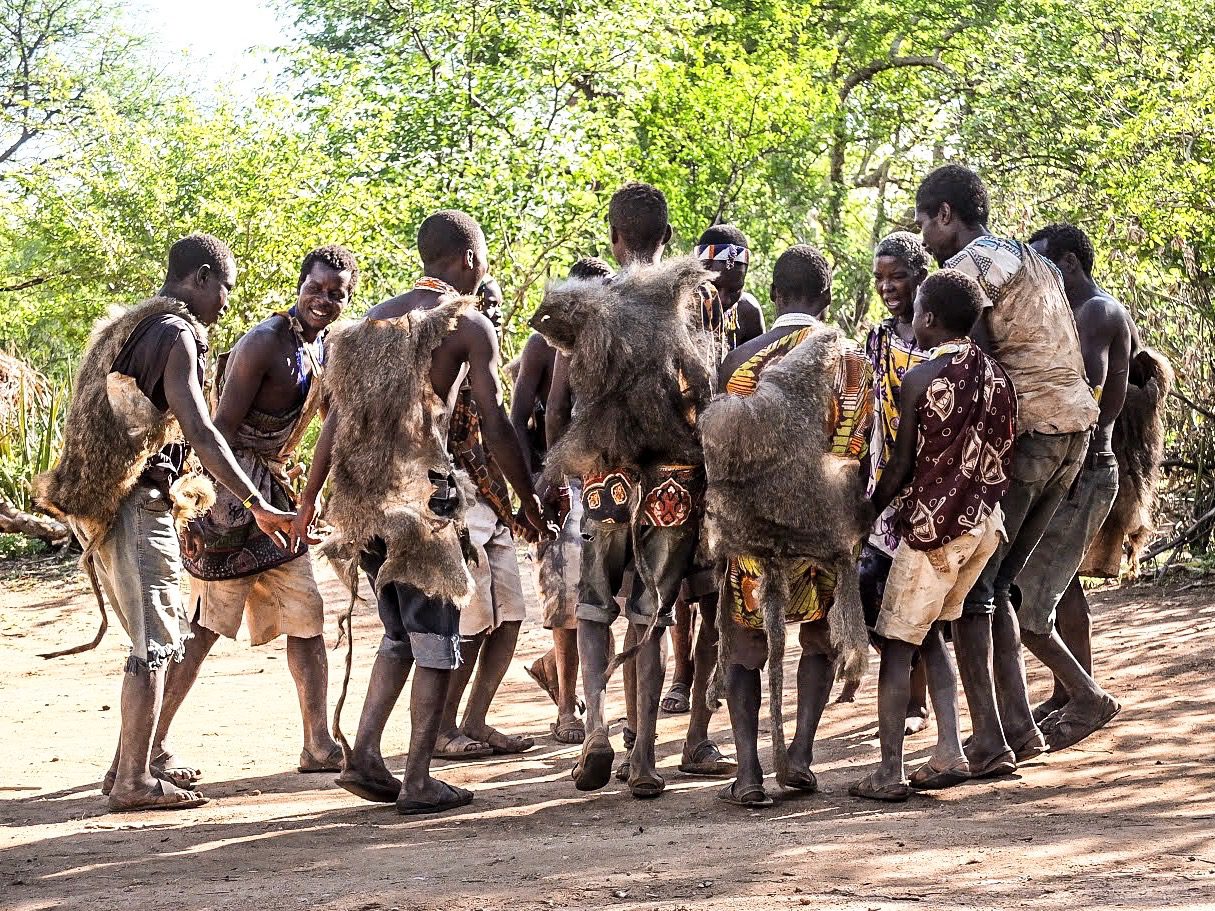
Lake Eyasi & The Hadzabe Tribe
Hidden beneath the dramatic western escarpments of the Great Rift Valley, Lake Eyasi offers one of the most culturally immersive and scenically distinctive travel experiences in northern Tanzania. Unlike the famous wildlife parks of Serengeti, Tarangire and Ngorongoro, Lake Eyasi is best known for its remote landscapes, seasonal soda lake, birdlife, traditional communities and the opportunity to learn about the remarkable Hadzabe people, one of East Africa’s last hunter gatherer communities.
For travelers planning a Tanzania safari in 2026, Lake Eyasi is an excellent destination for those who want to go beyond game drives and experience a deeper cultural side of the country. The area combines Great Rift Valley scenery, indigenous cultures, village experiences, bird watching, photography and authentic community based tourism.
The Hadzabe have lived in the wider Lake Eyasi region for generations, maintaining a lifestyle based traditionally on hunting, gathering wild foods, tracking animals and using detailed knowledge of the natural environment. Their language, social traditions and relationship with the landscape make a visit to the region one of the most unusual cultural experiences available in Tanzania.
Lake Eyasi itself adds an important ecological dimension. Its shallow waters expand and contract according to rainfall, while surrounding wetlands, grasslands and dry bush provide habitat for birds, livestock and wildlife adapted to semi arid conditions.
At Woodland Trek & Safaris, based in Arusha, Tanzania, we organize carefully planned Lake Eyasi cultural tours, Hadzabe experiences, Northern Tanzania safari extensions, community visits, bird watching tours and customized cultural itineraries for travelers seeking a more personal connection with Tanzania.
History of Lake Eyasi and the Hadzabe People
The Lake Eyasi region has been shaped by human settlement, seasonal migration and environmental adaptation over a very long period.
The Hadzabe are among the best known indigenous communities associated with the area.
Their way of life developed around detailed knowledge of local plants, animals, water sources and seasonal changes.
Traditionally, the Hadzabe depended on:
- Hunting wild animals
- Gathering fruits and berries
- Collecting tubers and roots
- Harvesting wild honey
- Seasonal movement according to food and water availability
- Detailed tracking skills
Their survival strategies developed around flexibility rather than permanent agriculture or large scale livestock keeping.
The Hadzabe language is also highly distinctive and includes click sounds, making it linguistically unusual within Tanzania.
For many travelers, meeting the Hadzabe provides an opportunity to learn how human communities can maintain a close relationship with the landscape without relying entirely on modern agricultural systems.
However, cultural tourism in Lake Eyasi should always be approached with respect.
The Hadzabe are not a staged attraction. They are living communities whose traditions continue to evolve within modern Tanzania.
Responsible tourism should therefore focus on:
- Respectful interaction
- Community benefit
- Permission before photography
- Avoiding intrusive behavior
- Learning rather than treating cultural practices as entertainment
Geography Size and Ecology of Lake Eyasi
Lake Eyasi is a shallow, seasonal soda lake located in northern Tanzania near the southern boundary of the Ngorongoro highlands.
The lake lies within the Great Rift Valley and is surrounded by escarpments, dry woodland, open grassland and agricultural settlements.
Its exact surface area changes considerably between wet and dry periods because the lake is shallow and strongly influenced by rainfall and evaporation.
During wetter conditions, the lake expands across the basin.
During drier periods, large areas may become exposed as mudflats, salt flats and shallow wetlands.
This seasonal character is one of the defining features of Lake Eyasi.
Great Rift Valley Landscape
The region surrounding Lake Eyasi is shaped by the geology of the East African Rift.
Travelers encounter:
- Rift Valley escarpments
- Open plains
- Dry bushland
- Seasonal wetlands
- Rocky landscapes
- Acacia woodland
- Agricultural fields
- Village settlements
The scenery is dramatically different from the forested Ngorongoro highlands only a relatively short distance away.
Lake Ecology
Lake Eyasi is alkaline and supports ecosystems adapted to fluctuating water levels.
The lake and surrounding wetlands attract a wide range of birds.
Depending on season and water conditions, visitors may observe:
- Flamingos
- Pelicans
- Storks
- Herons
- Egrets
- Waders
- Waterfowl
- Raptors
The number and distribution of birds vary according to rainfall, food availability and lake conditions.
Dry Bush and Woodland
Much of the land surrounding the lake is dry and semi arid.
These environments support:
- Acacia trees
- Thorn bushes
- Drought resistant plants
- Seasonal grasses
- Wild fruits
- Tubers and roots
The Hadzabe have developed extensive knowledge of these natural resources.
Their understanding of edible plants, medicinal species and wildlife signs forms an important part of their traditional culture.
Wildlife Around Lake Eyasi
Lake Eyasi is not a conventional national park and should not be visited with expectations of dense big game concentrations.
However, the wider ecosystem may support:
- Small antelope species
- Baboons
- Monkeys in suitable habitats
- Jackals
- Small mammals
- Numerous birds
- Reptiles
The main appeal of the destination remains culture, landscape and community based experiences rather than classic Big Five wildlife viewing.
The Hadzabe Tribe and Traditional Lifestyle
The Hadzabe are one of Tanzania’s most distinctive indigenous communities.
Traditionally, they lived as mobile hunter gatherers, moving according to seasonal food and water availability.
Although modern influences have affected parts of Hadzabe society, some communities continue to maintain important elements of their traditional lifestyle.
Hunting Traditions
Hunting has historically been one of the central aspects of Hadzabe life.
Traditional hunters use:
- Handmade bows
- Arrows
- Detailed tracking skills
- Knowledge of animal behavior
- Team communication
Hunting excursions normally begin early in the morning when temperatures are cooler and animal tracks are easier to identify.
Visitors participating in responsible cultural experiences may accompany local hunters to learn about tracking techniques and bush knowledge.
Such activities should always follow current legal and community guidelines.
Gathering Wild Foods
Hadzabe women traditionally gather a wide variety of natural foods.
These may include:
- Wild berries
- Tubers
- Roots
- Fruits
- Seeds
- Honey
The ability to recognize edible plants requires extensive knowledge passed between generations.
For visitors, learning about these foods can provide insight into the relationship between the Hadzabe and their environment.
Honey Collection
Wild honey has long been an important food source.
Hadzabe hunters are highly skilled at locating bee colonies and harvesting honey.
The wider ecosystem includes an interesting relationship between humans and honeyguide birds, which can sometimes help lead people toward bee nests.
Language and Social Traditions
The Hadzabe language is famous for its use of click sounds.
The community’s social structures have traditionally emphasized small mobile groups rather than large centralized settlements.
Decision making tends to be relatively flexible, and traditional life is strongly connected to the immediate availability of natural resources.
For travelers, conversation with local guides can help explain:
- Family structure
- Food sharing
- Traditional beliefs
- Language
- Hunting methods
- Environmental knowledge
- Changes affecting modern Hadzabe life
Accessibility and How to Reach Lake Eyasi
Lake Eyasi is relatively accessible from major Northern Tanzania safari destinations.
Most travelers reach the region by road from Arusha, Karatu, Lake Manyara or Ngorongoro.
Traveling From Arusha
The road journey from Arusha normally passes through the Rift Valley and Karatu region before descending toward Lake Eyasi.
Travel time commonly takes approximately four to five hours, depending on traffic, road conditions and stops.
A reliable safari vehicle is recommended.
Traveling From Karatu
Karatu is one of the most convenient bases for visiting Lake Eyasi.
The drive commonly takes around one to two hours, depending on the route and road conditions.
This makes Lake Eyasi easy to combine with:
- Ngorongoro Conservation Area
- Lake Manyara National Park
- Tarangire National Park
- Serengeti National Park
Many itineraries include an overnight stay near Lake Eyasi after visiting Ngorongoro or before continuing toward another Northern Circuit destination.
At Woodland Trek & Safaris, we arrange private vehicles, professional driver guides, local cultural guides, accommodation and complete Lake Eyasi logistics.
Best Time to Visit Lake Eyasi
Lake Eyasi can be visited throughout much of the year.
The best period depends on whether travelers prioritize cultural experiences, bird watching, landscape photography or easier road access.
June to October
The long dry season is generally one of the most comfortable periods.
Roads are easier to navigate, mornings are cool and cultural activities can be conveniently arranged.
This period is ideal for:
- Hadzabe cultural experiences
- Early morning bush walks
- Photography
- Village visits
- Northern Circuit safari combinations
November to February
Seasonal rains begin transforming the landscape.
Vegetation becomes greener and birdlife may become more active.
This period can provide attractive photography conditions.
March to May
The main rainy season may make some roads muddy and slower to travel.
However, the lake can expand and the region becomes greener.
Bird watching can be rewarding.
For first time visitors focused mainly on cultural activities, June through October is generally the easiest period.
Common Activities at Lake Eyasi
Lake Eyasi offers some of the most distinctive cultural experiences available in northern Tanzania.
Hadzabe Cultural Visits
Meeting the Hadzabe is the main reason many travelers visit Lake Eyasi.
A respectful cultural experience may include:
- Learning about traditional hunting
- Understanding wild food collection
- Seeing handmade bows and arrows
- Listening to the Hadzabe language
- Learning about family life
- Discussing environmental knowledge
The quality of the experience depends heavily on respectful guiding and avoiding over staged interactions.
Early Morning Hunting Experience
Some visitors accompany Hadzabe hunters during early morning excursions.
This provides an opportunity to observe traditional tracking and movement through the bush.
Travelers may learn how hunters identify:
- Animal footprints
- Broken vegetation
- Droppings
- Bird calls
- Wind direction
- Fresh signs of movement
Because hunting involves real people and real traditions, visitors should follow local guidance carefully.
Bushcraft and Tracking
The Hadzabe possess extraordinary knowledge of the bush.
Visitors may learn about:
- Fire making
- Tracking
- Natural materials
- Edible roots
- Wild fruits
- Medicinal plants
- Animal behavior
These experiences can be especially interesting for travelers interested in anthropology, ecology and traditional survival knowledge.
Datoga Cultural Experiences
The Lake Eyasi region is also home to Datoga communities, traditionally associated with pastoralism and metalworking.
A cultural visit may include learning about:
- Traditional blacksmithing
- Metalworking
- Livestock keeping
- Jewelry
- Family traditions
- Local crafts
Visiting both Hadzabe and Datoga communities provides a broader understanding of cultural diversity around Lake Eyasi.
Bird Watching
The lake and surrounding wetlands provide good opportunities for bird watching in northern Tanzania.
Depending on seasonal conditions, visitors may see:
- Flamingos
- Pelicans
- Storks
- Herons
- Waders
- Raptors
- Waterfowl
Early mornings can be especially rewarding for birding and photography.
Landscape Photography
Lake Eyasi offers beautiful and unusual photography opportunities.
Popular subjects include:
- Great Rift Valley scenery
- Lake reflections
- Salt flats
- Bush landscapes
- Cultural scenes with permission
- Sunrises
- Traditional tools
- Birdlife
Because cultural photography involves real communities, visitors should always ask before taking photographs.
Village Walks
Guided walks around local settlements can provide insight into daily life around the lake.
Travelers may learn about:
- Agriculture
- Livestock
- Local markets
- Food
- Water access
- Regional traditions
These experiences help connect the natural landscape with the people who live within it.
Accommodation Options Around Lake Eyasi
Lake Eyasi offers a small but varied range of accommodation.
Most properties focus on cultural travelers and visitors combining the region with Ngorongoro.
Tented Camps
Tented camps provide a classic safari atmosphere.
Facilities may include:
- Comfortable beds
- En suite bathrooms
- Solar electricity
- Dining areas
- Lounge spaces
- Views toward the lake or surrounding bush
These camps are ideal for travelers who want to begin cultural activities early in the morning.
Midrange Lodges
Midrange lodges offer comfortable accommodation at moderate prices.
Typical facilities may include:
- En suite rooms
- Restaurants
- Gardens
- Lounge areas
- Activity arrangements
These properties are suitable for couples, families and private groups.
Simple Lodges and Guesthouses
Budget travelers may find simpler accommodation around local settlements.
Facilities may be basic but practical for short stays.
Luxury Options
Luxury accommodation is more limited than in Serengeti or Ngorongoro.
Higher category properties generally focus on:
- Privacy
- Spacious rooms
- Personalized service
- Scenic locations
- High quality meals
At Woodland Trek & Safaris, we select Lake Eyasi accommodation according to your budget, preferred comfort level and overall safari route.
How Many Days Should You Spend at Lake Eyasi
Lake Eyasi is usually included as a short cultural extension within a Northern Tanzania safari.
Suggested stays include:
- 1 night for an early morning Hadzabe experience
- 2 nights for Hadzabe, Datoga and lake activities
- 3 nights for deeper cultural exploration and birding
For most travelers, one to two nights provides enough time to experience the main highlights.
Important Travel Considerations
Lake Eyasi is primarily a cultural destination, so responsible tourism is especially important.
Travelers should consider:
- Always asking permission before photography
- Respecting community privacy
- Avoiding intrusive questions
- Following local guides
- Dressing respectfully
- Avoiding unrealistic expectations about traditional life
- Understanding that communities are changing naturally over time
- Supporting community based tourism
- Avoiding treating cultural practices as performances
- Bringing sun protection and drinking water
- Preparing for dusty roads during dry months
The most rewarding visits are based on curiosity, respect and genuine cultural exchange.
Why Visit Lake Eyasi and the Hadzabe
Lake Eyasi offers a side of Tanzania that is completely different from the country’s famous wildlife parks.
Travelers choose Lake Eyasi for:
- Hadzabe cultural experiences
- Traditional hunting and tracking knowledge
- Datoga blacksmithing traditions
- Great Rift Valley scenery
- Bird watching
- Photography
- Lake landscapes
- Community based tourism
- Off the beaten path travel
- Easy combination with Ngorongoro
- A deeper understanding of Tanzania’s cultural diversity
For travelers who want more than wildlife sightings, Lake Eyasi provides an opportunity to learn from communities whose knowledge of the environment has developed over generations.
Combining Lake Eyasi With Other Tanzania Destinations
Lake Eyasi fits naturally into a Northern Tanzania safari itinerary.
Popular combinations include:
- Lake Eyasi and Ngorongoro Conservation Area
- Lake Eyasi and Lake Manyara National Park
- Lake Eyasi and Tarangire National Park
- Lake Eyasi and Serengeti National Park
- Lake Eyasi and Arusha
A classic itinerary might travel from Tarangire to Lake Manyara, continue to Lake Eyasi for a cultural experience and then proceed toward Ngorongoro and Serengeti.
This creates a journey combining:
- Wildlife safari
- Cultural experiences
- Great Rift Valley scenery
- Community interactions
- Traditional knowledge
- Photography
The contrast between wildlife parks and the cultural landscapes around Lake Eyasi can make a Tanzania safari feel much more complete.
Plan Your Lake Eyasi Cultural Experience With Woodland Trek & Safaris
Some of Tanzania’s most memorable journeys happen far from the roar of lions and the movement of safari vehicles.
Lake Eyasi invites you into a quieter story.
Here, the Great Rift Valley opens toward a seasonal lake, birds gather along shallow wetlands and communities continue traditions shaped by generations of knowledge about the bush.
With the Hadzabe, you may learn how footprints reveal where an animal has passed, how wild foods are identified and how survival depends on understanding the landscape rather than controlling it.
With Datoga communities, you can discover traditions of pastoral life and skilled metalworking that add another layer to the cultural richness of the region.
At Woodland Trek & Safaris, based in Arusha, Tanzania, we create personalized Lake Eyasi tours, Hadzabe cultural experiences, Datoga community visits, Northern Tanzania cultural safaris, bird watching journeys and customized safari extensions.
Whether you want a one night cultural stop after Ngorongoro, a deeper two day Lake Eyasi experience or a complete Tanzania safari combining wildlife and community encounters, our team can design the journey around your travel dates, interests and preferred pace.
Step beyond the traditional safari road, listen to stories carried through generations and discover a landscape where culture, survival and nature remain closely connected.
Explore Lake Eyasi and meet the Hadzabe with Woodland Trek & Safaris for a meaningful journey into one of northern Tanzania’s most distinctive cultural landscapes.
Practical Info
How to Book Your Safari
Preparing for a Safari
Preparing for Mountain Climbing
Visa in Tanzania
Conservation In Tanzania
Weather In Tanzania
Read Reviews

Follow us
- Woodland Trek Safaris Ltd
- @woodlandtrek_safari
- +255 682 956 506
- +255 769 950 057
- info@woodlandtrekandsafaris.com
- sales@woodlandtrekandsafaris.com
- Arusha, Tanzania
We Accept