
Mahale Mountains National Park

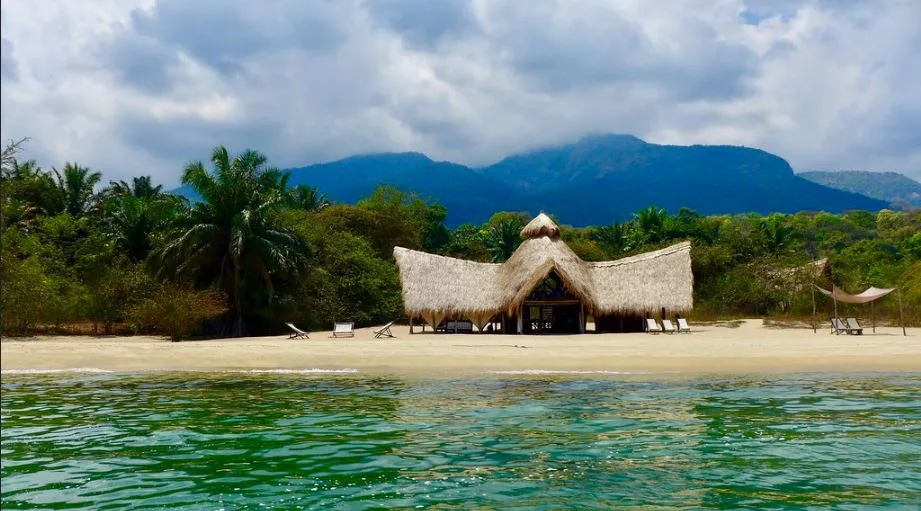
Mahale Mountains National Park
Remote, wild and breathtakingly beautiful, Mahale Mountains National Park is one of Tanzania’s most extraordinary wilderness destinations. Located on the eastern shores of Lake Tanganyika in western Tanzania, the park combines forested mountains, pristine beaches, crystal clear lake waters and one of Africa’s most important populations of wild chimpanzees.
Covering approximately 1,613 square kilometres, Mahale Mountains National Park protects a dramatic landscape where steep mountain ridges rise directly from the shores of Lake Tanganyika. The park is named after the Mahale Mountains, which form its scenic backbone and create a variety of habitats ranging from tropical forest and woodland to montane vegetation and open grassland.
Mahale is best known for its chimpanzee trekking experiences, which allow travelers to enter the forest on foot and search for habituated chimpanzee communities living naturally within the park. Unlike a conventional safari destination where wildlife is mainly viewed from vehicles, Mahale offers a more intimate experience based on trekking, observation and immersion in nature.
The park is also remarkable because of its isolation. There are no conventional public roads running through the central tourism areas, and most visitors arrive by air and boat. This remoteness has helped preserve the atmosphere of true wilderness that defines Mahale.
For travelers planning a Tanzania safari in 2026, Mahale Mountains National Park is ideal for those searching for chimpanzee trekking in Tanzania, Western Tanzania safaris, luxury primate safaris, Lake Tanganyika holidays, remote African adventures and off the beaten path Tanzania experiences.
At Woodland Trek & Safaris, based in Arusha, Tanzania, we organize carefully planned Mahale Mountains safaris, chimpanzee trekking tours, Western Tanzania safari packages, luxury fly in adventures and customized primate itineraries for travelers who want to explore one of Africa’s most secluded natural treasures.
History of Mahale Mountains National Park
The Mahale Mountains region has been inhabited and influenced by human communities for generations, long before it became a formally protected national park.
The wider Lake Tanganyika region supported fishing communities, small settlements and traditional societies that relied on the lake, forests and surrounding landscapes for their livelihoods.
As scientific interest in primates increased during the twentieth century, Mahale became particularly important because of its chimpanzee populations.
Long term research into chimpanzee behavior began in the region during the 1960s, contributing valuable knowledge about primate ecology, social structures and behavior.
Researchers gradually identified and monitored different chimpanzee communities, helping establish Mahale as one of Africa’s most significant locations for studying wild chimpanzees.
The park was officially established in 1985 to protect the forests, mountains, chimpanzees and wider ecosystem along Lake Tanganyika.
Today, Mahale Mountains National Park remains one of Tanzania’s most important primate conservation areas.
Its protection helps conserve not only chimpanzees but also forests, birds, mammals and freshwater ecosystems associated with Lake Tanganyika.
The park’s remoteness has also allowed it to maintain a natural atmosphere that is increasingly rare in modern tourism destinations.
Geography Size and Ecology of Mahale Mountains National Park
Mahale Mountains National Park covers approximately 1,613 square kilometres along the eastern shores of Lake Tanganyika.
The geography is dominated by steep mountain ridges, deep forested valleys, beaches and lake shoreline.
The park lies within one of Africa’s most ecologically fascinating transition zones, where central African forest species overlap with eastern African woodland and savannah environments.
This creates an unusually rich mixture of habitats and wildlife.
The Mahale Mountains
The Mahale Mountains form the central geographical feature of the park.
These mountains rise dramatically from the shores of Lake Tanganyika and create steep slopes covered with dense vegetation.
The highest peaks reach more than 2,400 metres above sea level, creating significant elevation differences within the park.
These altitude changes influence rainfall, temperature and vegetation.
Lower slopes are generally warmer and support woodland and forest, while higher elevations contain cooler montane habitats.
For visitors, the mountains create a spectacular backdrop for chimpanzee trekking and photography.
Lake Tanganyika
Lake Tanganyika forms the western boundary of Mahale Mountains National Park and is one of the most important natural features of the region.
It is one of the world’s deepest and oldest freshwater lakes and contains an exceptional variety of aquatic life.
The lake is famous for:
- Crystal clear water
- Exceptional freshwater biodiversity
- Colorful endemic fish species
- Beautiful sandy beaches
- Dramatic mountain scenery
- Traditional fishing communities in the wider region
The combination of forested mountains descending directly toward turquoise water gives Mahale a scenery that feels almost tropical and coastal, despite being located deep within inland Africa.
For many visitors, relaxing beside Lake Tanganyika after a chimpanzee trek is one of the highlights of the entire journey.
Tropical Forest Ecosystem
Much of Mahale’s lower and middle mountain slopes are covered by dense forest.
These environments provide essential habitat for chimpanzees and other primates.
The forest contains:
- Large trees
- Thick vines
- Fruit bearing plants
- Streams
- Dense undergrowth
- Forest clearings
Fruit availability strongly influences chimpanzee movement.
During periods when preferred fruits are abundant at lower elevations, chimpanzees may be easier to locate closer to the lakeshore.
At other times, they may travel higher into the mountains, making trekking more demanding.
Woodland and Grassland Habitats
Not all of Mahale is dense rainforest.
Some areas contain miombo woodland, open forest and grassland.
This variety allows the park to support animals that are not normally associated exclusively with tropical forest.
The transition between forest and woodland habitats contributes to Mahale’s ecological diversity.
Wildlife of Mahale Mountains National Park
Chimpanzees are the major attraction, but the park supports a wide range of other animals.
Primates found within the region include:
- Chimpanzees
- Red tailed monkeys
- Blue monkeys
- Red colobus monkeys
- Yellow baboons
- Vervet monkeys
The presence of several primate species makes Mahale one of Tanzania’s best destinations for travelers interested in primate safaris and wildlife behavior.
Other mammals found within the wider park may include:
- Bushbucks
- Bushpigs
- Warthogs
- Small antelope species
- Leopards
- Elephants in more remote areas
- Various smaller mammals
Large mammal sightings are generally less predictable than in traditional savannah destinations because much of the vegetation is dense.
Mahale should therefore be viewed primarily as a chimpanzee, forest, mountain and lake destination rather than a classic Big Five safari park.
Chimpanzees of Mahale
Mahale Mountains National Park protects one of Africa’s most important populations of wild chimpanzees.
The park is particularly famous for the M Group, one of the habituated chimpanzee communities that has been studied for many years.
Habituation means the chimpanzees have gradually become accustomed to the presence of researchers and regulated groups of visitors while continuing to live naturally in the forest.
Chimpanzees live in complex social communities.
Visitors may observe behaviors such as:
- Grooming
- Feeding
- Playing
- Caring for infants
- Communicating through vocalizations
- Establishing social dominance
- Moving through trees
- Tool use
- Hunting smaller animals
- Resting in forest clearings
The sound of chimpanzees calling through the forest can be one of the most powerful moments of a Mahale safari.
Their famous pant hoots may echo across valleys before the animals themselves become visible.
Every encounter is different, and sightings depend entirely on natural chimpanzee movement.
Birdlife in Mahale Mountains National Park
Mahale supports an impressive variety of birds because of its combination of forest, mountain, woodland and lakeshore habitats.
Birdwatchers may encounter:
- Fish eagles
- Kingfishers
- Hornbills
- Sunbirds
- Forest flycatchers
- Raptors
- Waterbirds
- Woodland species
- Migratory birds
The lakeshore is particularly rewarding for water associated species, while forest trails provide opportunities to search for more secretive birds.
Mahale can be combined with Gombe and Katavi to create a specialist Western Tanzania birding safari.
Accessibility and How to Reach Mahale Mountains National Park
Mahale is one of Tanzania’s most remote national parks.
This isolation is one of the main reasons the destination feels so exclusive and untouched.
Most travelers reach the park through a combination of domestic flight and boat transfer.
Reaching Mahale by Air
Flying is usually the most convenient option.
Scheduled or charter flights may connect Mahale with important tourism hubs depending on seasonal schedules.
Travelers may connect from:
- Arusha
- Dar es Salaam
- Other safari destinations
- Selected Western Tanzania routes
Flights normally land at an airstrip serving the Mahale region.
Guests then continue by boat toward their lodge or camp.
The final approach by water is exceptionally scenic, with forested mountains rising behind the shoreline.
Reaching Mahale by Boat
Boat transport is an essential part of travel within the Mahale region.
Depending on the itinerary, travelers may approach from nearby airstrips or other points along Lake Tanganyika.
Lake conditions, weather and boat type influence travel times.
Private motorboats are generally used by higher end safari camps and tour operators.
Overland Travel
Overland travel to Mahale is possible only within limited logistical arrangements and is considerably more complicated than reaching most national parks.
For most international travelers, flying is strongly preferred.
At Woodland Trek & Safaris, we can coordinate domestic flights, boat transfers, park arrangements, chimpanzee permits, accommodation and complete Western Tanzania safari logistics.
Best Time to Visit Mahale Mountains National Park
Mahale can be visited during much of the year, but rainfall and seasonal fruit availability influence trekking conditions and chimpanzee movement.
For most travelers, the dry season from approximately June to October is considered the most favorable period.
June to October
The dry season generally offers easier trekking conditions.
Forest trails can be less slippery, and chimpanzees may sometimes spend more time at lower elevations depending on food availability.
This period is excellent for:
- Chimpanzee trekking
- Forest hiking
- Photography
- Lake Tanganyika relaxation
- Kayaking and boating where available
- Western Tanzania safari combinations
July, August, September and October are especially popular.
November to December
Seasonal rains usually begin during this period.
The forest becomes increasingly green, and fruiting patterns may influence chimpanzee movements.
Rain showers can make trails slippery but also create beautiful photographic conditions.
January and February
These months can offer a mixture of warm weather, green scenery and good trekking opportunities.
Rainfall may still occur, but conditions can be favorable between showers.
March to May
This period generally brings heavier rainfall.
The park becomes extremely lush, waterfalls and streams become more active and vegetation thickens.
Trekking can become more difficult because of slippery trails and humidity.
Travel logistics may also be more complicated during periods of heavy rain.
For most first time visitors, July through October provides an excellent balance between trekking conditions and overall comfort.
Common Activities in Mahale Mountains National Park
Mahale offers a completely different style of safari from Tanzania’s traditional savannah destinations.
Most activities focus on chimpanzees, hiking, forest exploration and Lake Tanganyika.
Chimpanzee Trekking
Chimpanzee trekking in Mahale Mountains National Park is the main attraction.
Visitors normally begin with a briefing before entering the forest with experienced guides.
Guides use knowledge of chimpanzee movements, feeding areas, vocalizations and recent locations to help track the group.
Trekking duration varies significantly.
Some days chimpanzees may be relatively close to camp.
On other days, visitors may need to hike for several hours through steep forested terrain.
Travelers should prepare for:
- Steep climbs
- Humid forest conditions
- Uneven paths
- Roots and rocks
- Variable trekking distances
- Wildlife encounters that remain unpredictable
Once chimpanzees are found, visitors must follow strict viewing guidelines.
These measures help protect chimpanzees from disturbance and reduce health risks.
For many travelers, sitting quietly within a forest while chimpanzees groom, feed and communicate nearby becomes one of the most emotional wildlife experiences in Africa.
Forest Hiking
Mahale offers exceptional forest hiking beyond chimpanzee trekking.
Trails pass through valleys, hills and streams while providing opportunities to observe:
- Monkeys
- Birds
- Butterflies
- Plants
- Animal tracks
- Forest ecosystems
Hiking can range from relatively gentle walks to demanding mountain routes.
Mountain Hiking
Adventure travelers can explore selected areas of the Mahale Mountains.
Longer hikes provide panoramic views across the forest and Lake Tanganyika.
Mountain excursions require good fitness and should always be conducted with experienced guides.
Lake Tanganyika Swimming
The clear waters of Lake Tanganyika create excellent opportunities for swimming in suitable areas where local safety conditions permit.
After several hours trekking through humid forest, swimming in the lake can be particularly refreshing.
Travelers should always follow guidance from camp staff regarding safe swimming locations.
Kayaking and Canoeing
Selected lodges and camps may offer kayaking or canoeing on Lake Tanganyika.
Paddling close to the shoreline provides a peaceful way to experience the mountain scenery.
Early morning and late afternoon can be particularly beautiful when the lake is calmer and the light is softer.
Boat Safaris and Lake Excursions
Boat trips allow visitors to explore the shoreline and appreciate Mahale from the water.
Depending on the itinerary, activities may include:
- Scenic boat excursions
- Sunset cruises
- Lakeshore exploration
- Fishing related cultural experiences
- Wildlife observation along the shore
Watching the mountains turn golden as the sun sets over Lake Tanganyika is one of Mahale’s signature experiences.
Snorkeling
Lake Tanganyika contains an exceptional variety of colorful fish, many of which are found nowhere else.
Snorkeling may be available in suitable locations depending on camp facilities and local conditions.
This provides a completely different wildlife experience from traditional safari activities.
Bird Watching
Forest and lakeshore habitats create excellent opportunities for specialist and casual birdwatchers.
Early morning walks can be particularly rewarding.
Professional guides can help identify forest species that may be difficult to locate without local knowledge.
Photography
Mahale is one of Tanzania’s finest destinations for primate and landscape photography.
Popular subjects include:
- Chimpanzees
- Chimpanzee mothers and infants
- Forest primates
- Tropical vegetation
- Lake Tanganyika
- Mahale Mountain scenery
- Sandy beaches
- Boats
- Sunsets
- Birds
Forest photography can be challenging because of rapidly changing light conditions.
Fast lenses and cameras capable of performing well in low light can be especially useful for serious photographers.
Accommodation Options in Mahale Mountains National Park
Accommodation within Mahale is limited and generally intimate.
This helps preserve the exclusive wilderness atmosphere of the destination.
Visitors should book well in advance, particularly during the dry season.
Luxury Safari Camps
Mahale is known for several highly exclusive safari camps offering sophisticated comfort in remote natural settings.
Luxury facilities may include:
- Spacious safari suites
- En suite bathrooms
- Private verandas
- Lake views
- Fine dining
- Premium beverages
- Personalized guiding
- Boat transfers
- Laundry services
- Private beach areas
These camps are especially suitable for luxury Tanzania safaris, honeymoon journeys, anniversary travel and exclusive primate adventures.
Luxury Tented Camps
Tented accommodation provides an intimate connection with the natural surroundings.
Spacious canvas rooms may include comfortable beds, private bathrooms and views toward Lake Tanganyika or the surrounding forest.
Guests can enjoy the sounds of the forest while remaining in highly comfortable accommodation.
Midrange Accommodation
More moderate accommodation options may be available depending on season and location.
Facilities are generally simpler but can still provide comfortable rooms, meals and easy access to trekking activities.
Basic Accommodation and Camping
Basic campsites and simpler facilities may be available for adventurous travelers under appropriate arrangements.
These options are less common among international visitors due to the logistical complexity of reaching the park.
At Woodland Trek & Safaris, we recommend Mahale accommodation according to your budget, travel dates, comfort expectations and preferred style of safari.
How Many Days Should You Spend in Mahale Mountains National Park
Because reaching Mahale involves significant travel, visitors should allow enough time to fully experience the destination.
For most travelers, three to four nights is a good minimum.
Suggested stays include:
- 2 nights for travelers with very limited time
- 3 nights for a good chimpanzee trekking experience
- 4 nights for multiple trekking opportunities and lake activities
- 5 to 7 nights for photographers, primate enthusiasts and travelers seeking a slower wilderness experience
Additional days improve the chance of experiencing different chimpanzee behaviors and allow visitors to enjoy Lake Tanganyika without feeling rushed.
Important Travel Considerations
Mahale is a remote wilderness destination, so careful planning is important.
Travelers should consider:
- Moderate to demanding chimpanzee trekking
- Steep forest trails
- High humidity
- Seasonal rainfall
- Limited road infrastructure
- Domestic flight schedules
- Boat transfers
- Insect protection
- Good hiking footwear
- Lightweight breathable clothing
- Proper hydration
- Following chimpanzee health regulations
- Avoiding trekking when suffering from contagious illness
Chimpanzees can be vulnerable to certain human illnesses.
Visitors must therefore follow all current health and viewing guidelines provided by park authorities and guides.
Respectful tourism is essential to protecting these animals.
Why Visit Mahale Mountains National Park
Mahale offers one of the most unusual safari combinations anywhere in Africa.
Few destinations allow travelers to spend the morning trekking through tropical forest in search of chimpanzees and the afternoon swimming beside a pristine beach beneath forested mountains.
Travelers choose Mahale for:
- Wild chimpanzee trekking
- Remote Western Tanzania wilderness
- Lake Tanganyika
- Beautiful sandy beaches
- Tropical forest hiking
- Exceptional primate encounters
- Low visitor density
- Mountain scenery
- Kayaking and boat excursions
- Bird watching
- Snorkeling opportunities
- Landscape photography
- Luxury wilderness camps
- An experience far removed from conventional game drive safaris
For travelers searching for a genuinely different Tanzania safari, Mahale is difficult to match.
Combining Mahale With Other Tanzania Destinations
Mahale is an important destination within the Western Tanzania safari circuit.
It combines particularly well with:
- Katavi National Park
- Gombe National Park
- Lake Tanganyika
- Kigoma
A classic Western Tanzania itinerary can combine Mahale with Katavi.
Katavi offers vast savannah, elephants, buffaloes, lions and hippos, while Mahale provides forests, chimpanzees and Lake Tanganyika.
This creates one of Tanzania’s most varied and exclusive safari combinations.
Travelers especially interested in primates may combine Mahale and Gombe, allowing them to experience two of Africa’s most famous chimpanzee destinations.
Mahale can also be combined with Northern Tanzania destinations such as:
- Serengeti National Park
- Ngorongoro Conservation Area
- Tarangire National Park
- Mount Kilimanjaro
After completing a wildlife adventure, travelers may continue to Zanzibar for a tropical beach holiday.
This creates an exceptional Tanzania itinerary combining chimpanzees, classic wildlife safaris, mountains, forests, lakes and Indian Ocean beaches.
Plan Your Mahale Mountains Safari With Woodland Trek & Safaris
Some journeys lead into wilderness. Others seem to remove you from the outside world completely.
Mahale Mountains National Park is one of those rare places.
You arrive across the waters of Lake Tanganyika with forested mountains rising ahead. The following morning, you step beneath the forest canopy and follow distant chimpanzee calls through the valleys. Hours later, you may find yourself sitting quietly while a family of chimpanzees grooms, feeds and plays only a respectful distance away.
Then the forest gives way to a sandy beach, the lake stretches toward the horizon and the mountains behind you disappear into evening light.
At Woodland Trek & Safaris, based in Arusha, Tanzania, we create personalized Mahale Mountains safari packages, chimpanzee trekking tours, Western Tanzania expeditions, luxury fly in safaris, primate photography journeys and customized Lake Tanganyika adventures.
Whether you want to spend several days with the chimpanzees of Mahale, combine the park with Katavi, explore both Mahale and Gombe or create a complete Tanzania journey linking western wilderness with Serengeti and Zanzibar, our team can design the itinerary according to your travel dates, interests, budget and preferred level of comfort.
Leave the familiar safari roads behind, enter forests alive with primates and discover a remote corner of Tanzania where mountains meet one of Africa’s greatest lakes.
Explore Mahale Mountains National Park with Woodland Trek & Safaris and experience one of Tanzania’s most beautiful, intimate and unforgettable wilderness adventures.
Practical Info
How to Book Your Safari
Preparing for a Safari
Preparing for Mountain Climbing
Visa in Tanzania
Conservation In Tanzania
Weather In Tanzania
Read Reviews

Follow us
- Woodland Trek Safaris Ltd
- @woodlandtrek_safari
- +255 682 956 506
- +255 769 950 057
- info@woodlandtrekandsafaris.com
- sales@woodlandtrekandsafaris.com
- Arusha, Tanzania
We Accept