
Udzungwa Mountains National Park

Udzungwa Mountains National Park
Overview of Udzungwa Mountains National Park
Rising from the green landscapes of southern Tanzania, Udzungwa Mountains National Park is one of the country’s most remarkable destinations for hiking, rainforest exploration, primate watching, birding and waterfall adventures. Rather than offering a traditional vehicle based safari, Udzungwa invites travelers to experience Tanzania on foot, moving through ancient forests, mountain trails and dramatic valleys where rare species survive within one of East Africa’s most important biodiversity hotspots.
The park covers approximately 1,990 square kilometres and forms part of the wider Eastern Arc Mountains, a chain of ancient mountain blocks renowned for exceptional levels of endemism. These forests have developed over millions of years, creating isolated habitats where unique plants, birds, primates and smaller wildlife evolved.
For travelers planning a Tanzania safari in 2026, Udzungwa Mountains National Park is an excellent choice for those looking for hiking safaris in Tanzania, rainforest trekking, primate tours, bird watching, waterfall hikes, eco tourism and Southern Tanzania adventure travel.
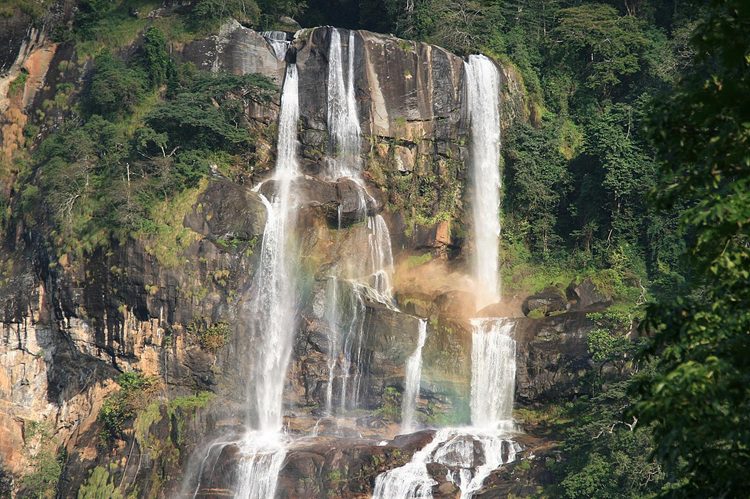
Its best known attraction is the spectacular Sanje Waterfall, where water plunges from the escarpment through several dramatic stages and offers panoramic views across the Kilombero Valley below.
The park is also famous for rare primates including the Udzungwa red colobus and Sanje crested mangabey, both of which are closely associated with the forests of this region.
At Woodland Trek & Safaris, based in Arusha, Tanzania, we create personalized Udzungwa Mountains tours, hiking adventures, Southern Tanzania safari packages, primate experiences, bird watching journeys and customized nature itineraries for travelers seeking an active and immersive wilderness experience.
History of Udzungwa Mountains National Park
The Udzungwa Mountains have been ecologically important for an immense period of time.
Their forests form part of the ancient Eastern Arc mountain system, which has remained environmentally stable across long geological periods. This stability allowed many plant and animal species to survive, evolve and become geographically restricted to relatively small areas.
Long before the establishment of the national park, local communities lived around the mountain foothills and depended on surrounding forests, rivers and agricultural land.
Scientific interest in Udzungwa increased as researchers began documenting the region’s extraordinary biodiversity and unusually high number of endemic species.
Concerns about habitat loss, forest clearing and increasing human pressure eventually led to stronger conservation efforts.
Udzungwa Mountains National Park was officially established in 1992, creating a protected area focused primarily on forests, biodiversity, water catchments and mountain ecosystems.
Its creation was particularly important because the park protects one of Tanzania’s largest remaining blocks of Eastern Arc forest.
Today, Udzungwa is recognized as one of the country’s most important conservation areas for rare primates, birds, amphibians, reptiles and plants.
Unlike many national parks designed mainly around large mammals, Udzungwa’s conservation value lies in its forest ecology and extraordinary species endemism.
Geography Size and Ecology of Udzungwa Mountains National Park
Udzungwa Mountains National Park covers approximately 1,990 square kilometres in south central Tanzania.
Its geography ranges from relatively low altitude valleys to mountain peaks rising above 2,500 metres above sea level.
This dramatic variation in altitude creates several ecological zones within the park.
Lower areas may contain woodland and lowland forest, while higher elevations support montane forest, grassland and cooler mountain vegetation.
The result is a landscape of exceptional ecological complexity.
The Eastern Arc Mountains
Udzungwa forms part of the Eastern Arc Mountains, one of Africa’s most important biodiversity regions.
These mountains are extremely ancient and have been separated from other forest systems for long periods.
Geographical isolation allowed species to evolve independently, leading to unusually high levels of endemism.
This means some plants and animals found in Udzungwa occur nowhere else on Earth.
For conservation travelers and nature enthusiasts, this makes the park significantly different from conventional wildlife reserves.
Tropical and Montane Forests
Dense forest covers large areas of Udzungwa.
These forests contain towering trees, vines, ferns, streams and a complex canopy supporting enormous biological diversity.
The environment changes noticeably with elevation.
Lower forests are generally warmer and more humid, while higher areas become cooler and may contain misty montane vegetation.
Forest habitats support:
- Rare primates
- Forest birds
- Amphibians
- Reptiles
- Butterflies
- Small mammals
- Numerous endemic plant species
Visitors spend much of their time walking beneath this forest canopy, making Udzungwa one of Tanzania’s most immersive nature destinations.
Mountain Ridges and Valleys
The park contains steep ridges, valleys and escarpments.
Some trails involve sustained climbing and require a reasonable level of fitness.
The higher viewpoints provide spectacular scenery over surrounding plains and agricultural landscapes.
The contrast between dense rainforest and wide mountain panoramas is one of Udzungwa’s defining characteristics.
Rivers and Waterfalls
Numerous rivers and streams originate in the Udzungwa Mountains.
These waterways are ecologically important because they support both wildlife and surrounding communities.
The most famous attraction is Sanje Waterfall, but many smaller waterfalls and streams occur throughout the park.
Water catchment protection is one of the park’s most important environmental functions.
Wildlife of Udzungwa Mountains National Park
Udzungwa is not primarily a Big Five destination.
Its wildlife significance comes from rare forest species, particularly primates.
Some mammals found within the park include:
- Udzungwa red colobus
- Sanje crested mangabey
- Black and white colobus monkeys
- Blue monkeys
- Yellow baboons
- Bushbucks
- Duikers
- Bushpigs
- Elephants in some remote areas
- Buffaloes in selected zones
Large mammals can be difficult to see because of dense vegetation.
Travelers should therefore visit Udzungwa with expectations centered on forest trekking, primates, birds and scenery rather than traditional game drives.
Primates of Udzungwa Mountains National Park
Udzungwa is one of Tanzania’s most important primate conservation areas.
The park supports several monkey species, some of which are highly localized.
Udzungwa Red Colobus
The Udzungwa red colobus is one of the park’s most famous animals.
This primate is strongly associated with the forests of the region and is one of the key species visitors hope to see during guided hikes.
They are often observed moving through the canopy in social groups.
Their survival depends heavily on continued protection of suitable forest habitat.
Sanje Crested Mangabey
Another important species is the Sanje crested mangabey.
This monkey was scientifically recognized relatively recently and is closely associated with the Udzungwa ecosystem.
Its limited distribution makes it particularly important from a conservation perspective.
Seeing this species in the wild can be a major highlight for specialist primate travelers.
Other Primates
Visitors may also encounter:
- Black and white colobus monkeys
- Blue monkeys
- Yellow baboons
- Other forest dwelling primates
Their calls and movement through the canopy are often heard before the animals themselves become visible.
Birdlife in Udzungwa Mountains National Park
Udzungwa is an outstanding destination for bird watching in Tanzania.
Its mixture of lowland, montane and highland habitats supports a remarkable variety of species.
Birdwatchers may encounter:
- Forest specialists
- Sunbirds
- Turacos
- Hornbills
- Flycatchers
- Raptors
- Mountain birds
- Endemic species
- Seasonal migrants
The region is especially important for birders interested in Eastern Arc endemics.
For specialist travelers, Udzungwa can be combined with Mikumi, Ruaha and Kitulo to create a highly varied Southern Tanzania birding itinerary.
Accessibility and How to Reach Udzungwa Mountains National Park
Udzungwa Mountains National Park is located in south central Tanzania and is commonly accessed through the Mikumi and Ifakara corridor.
Most travelers reach the park by road.
Traveling From Dar es Salaam
Travel from Dar es Salaam normally involves a long overland journey through southern Tanzania.
The route often passes near or through the Mikumi area before continuing toward Udzungwa.
Travel times vary significantly according to road conditions, traffic, stops and the exact accommodation location.
For this reason, Udzungwa is frequently combined with Mikumi National Park rather than visited as a standalone day trip from Dar es Salaam.
Traveling From Mikumi
Mikumi National Park provides one of the most convenient combinations with Udzungwa.
Travelers can enjoy wildlife game drives in Mikumi before continuing toward the mountains for hiking and rainforest exploration.
This combination creates a strong contrast between:
- Savannah wildlife
- Tropical forest
- Primates
- Waterfalls
- Mountain scenery
Traveling by Air
Depending on current flight schedules and itinerary design, travelers may use domestic air connections to reach nearby regions before continuing by road.
Private charter arrangements may also be possible for selected itineraries.
At Woodland Trek & Safaris, we arrange private vehicles, transfers, local guides, accommodation and complete Southern Tanzania logistics for Udzungwa Mountains adventures.
Best Time to Visit Udzungwa Mountains National Park
Udzungwa can be visited during much of the year, but trekking conditions vary significantly with rainfall.
For most travelers, the drier months from approximately June to October offer the most comfortable hiking conditions.
June to October
During the long dry season, trails are generally easier to walk.
Rainfall is lower, humidity may be more manageable and viewpoints can be clearer.
This period is ideal for:
- Hiking
- Sanje Waterfall visits
- Primate watching
- Bird watching
- Landscape photography
- Combining Udzungwa with Mikumi or Ruaha
Temperatures can still be warm in lower elevations, so early starts are useful.
November to December
Short rains may begin during this period.
The forest becomes greener and streams begin carrying more water.
Waterfalls can become increasingly impressive.
Trails may become slippery after rain.
January and February
These months can offer good hiking opportunities between heavier rainy periods.
Vegetation remains green and wildlife activity can be rewarding.
Visitors should still prepare for occasional showers.
March to May
This is generally the wettest period.
The rainforest becomes extremely lush, rivers and waterfalls are powerful and birdlife can be excellent.
However, trails may become muddy and slippery, making hiking more demanding.
Some routes may be more difficult after sustained rainfall.
For first time visitors focused mainly on trekking, June to October is generally the easiest period.
For photographers and nature enthusiasts who appreciate lush rainforest and powerful waterfalls, wetter months can also be highly rewarding.
Common Activities in Udzungwa Mountains National Park
Udzungwa is one of Tanzania’s most active tourism destinations.
Most experiences are based around hiking, nature observation and forest exploration.
Sanje Waterfall Hike
The Sanje Waterfall hike is the park’s most famous activity.
The trail climbs through forest toward a spectacular series of waterfalls.
Sanje Waterfall drops through several stages, with the tallest sections creating dramatic views over the landscape.
During the hike, visitors may encounter:
- Monkeys
- Birds
- Butterflies
- Forest plants
- Mountain streams
- Scenic viewpoints
The hike can be moderately demanding depending on route and fitness level.
Reaching the viewpoint provides one of the most memorable landscapes in Southern Tanzania.
Primate Watching
Guided walks provide opportunities to search for several primate species.
Travelers may encounter:
- Udzungwa red colobus
- Sanje crested mangabey
- Black and white colobus
- Blue monkeys
- Yellow baboons
Primate watching requires patience because animals move naturally through dense forest.
Experienced guides use calls, movement and knowledge of feeding areas to help locate them.
Forest Hiking
Udzungwa offers numerous hiking routes ranging from relatively short walks to longer and more demanding treks.
Trails may pass through:
- Lowland forest
- Montane forest
- Mountain ridges
- Valleys
- Waterfalls
- Grasslands
- Scenic viewpoints
Hiking is the best way to appreciate the park’s ecological variety.
Multi Day Trekking
Adventure travelers can undertake longer treks into more remote areas.
These routes offer deeper immersion in the mountains and may include overnight camping.
Multi day expeditions require:
- Good physical fitness
- Professional guides
- Proper trekking equipment
- Food and camping logistics
- Appropriate weather preparation
These experiences are ideal for travelers seeking genuine Tanzania hiking adventures beyond Kilimanjaro.
Bird Watching
Udzungwa is especially rewarding for birders.
Specialist walks can focus on forest endemics and mountain species.
Early morning is often the best period for bird activity.
The dense vegetation makes guides particularly useful for identifying calls and locating difficult species.
Wildlife Photography
Photography in Udzungwa focuses on a different style of safari imagery.
Popular subjects include:
- Primates
- Waterfalls
- Forest landscapes
- Birds
- Butterflies
- Mountain views
- Tropical vegetation
- Streams
- Mist and clouds
Forest light can change quickly, so photographers should be prepared for low light conditions.
Butterfly and Insect Observation
The park’s biodiversity includes a wide variety of butterflies and insects.
During walks, travelers may see brightly colored butterflies around streams, clearings and flowering plants.
For nature enthusiasts, these smaller species are an important part of the Udzungwa experience.
Cultural Experiences
Communities around the Udzungwa region add another dimension to the journey.
Depending on itinerary arrangements, travelers may visit surrounding villages and learn about:
- Agriculture
- Local food
- Community conservation
- Traditional livelihoods
- Rural life
Cultural experiences can be included as part of a broader Southern Tanzania adventure.
Accommodation Options Around Udzungwa Mountains National Park
Accommodation around Udzungwa is generally smaller scale than in Tanzania’s major safari parks.
Most properties focus on nature travelers, hikers and visitors combining the park with Mikumi.
Eco Lodges
Eco lodges are among the most suitable accommodation choices.
Facilities may include:
- Comfortable rooms
- Private bathrooms
- Restaurants
- Gardens
- Mountain or forest views
- Walking activity arrangements
These properties suit travelers who want a peaceful environment close to hiking routes.
Midrange Lodges
Midrange lodges provide a practical balance of comfort and affordability.
Typical facilities may include:
- En suite rooms
- Meals
- Electricity
- Lounge areas
- Guiding arrangements
- Transport support
These options work well for couples, small groups and families.
Budget Guesthouses
Budget accommodation is available in nearby settlements.
Facilities may be simple but practical for travelers focused primarily on hiking.
Camping
Camping can provide a more adventurous way to experience the region, particularly during multi day treks.
Travelers should be prepared for:
- Humidity
- Rainfall
- Insects
- Changing mountain temperatures
- Limited facilities in remote areas
Professional logistical support is strongly recommended.
At Woodland Trek & Safaris, we recommend accommodation based on your preferred level of comfort, hiking plans, budget and overall Southern Tanzania itinerary.
How Many Days Should You Spend in Udzungwa Mountains National Park
The ideal stay depends on the level of hiking you want to include.
Suggested durations include:
- 1 night for a short visit and one major hike
- 2 nights for Sanje Waterfall and primate watching
- 3 nights for multiple hiking routes and birding
- 4 nights or more for serious hikers, photographers and multi day trekking
For most first time visitors, two to three nights provides a good balance.
This allows enough time to enjoy the waterfall, forests and wildlife without rushing.
Important Travel Considerations
Udzungwa is an active hiking destination, so visitors should prepare appropriately.
Important considerations include:
- Moderate to strenuous hiking
- Steep trails
- Slippery conditions after rain
- High humidity in lower forest areas
- Strong sun at exposed viewpoints
- Insect protection
- Good hiking shoes
- Lightweight breathable clothing
- Waterproof layers
- Drinking water
- Fitness preparation for longer hikes
Travelers should also respect forest ecosystems by remaining on designated trails and avoiding disturbance to wildlife and plants.
Why Visit Udzungwa Mountains National Park
Udzungwa offers a completely different experience from Tanzania’s famous savannah parks.
Here, the safari road disappears and the trail begins.
Travelers choose Udzungwa for:
- Sanje Waterfall
- Rainforest trekking
- Rare primates
- Udzungwa red colobus monkeys
- Sanje crested mangabey
- Exceptional birdlife
- Eastern Arc biodiversity
- Mountain hiking
- Landscape photography
- Multi day trekking
- Low visitor numbers
- Eco tourism
- Adventure beyond traditional game drives
For travelers who enjoy being active and close to nature, Udzungwa can become one of the most memorable destinations in Tanzania.
Combining Udzungwa With Other Tanzania Destinations
Udzungwa fits naturally within the Southern Tanzania safari circuit.
Popular combinations include:
- Udzungwa and Mikumi National Park
- Udzungwa and Ruaha National Park
- Udzungwa and Kitulo National Park
- Udzungwa and Nyerere National Park
- Udzungwa and Dar es Salaam
- Udzungwa and Zanzibar
A classic Southern Tanzania itinerary might begin with game drives in Mikumi before moving into Udzungwa for hiking.
Travelers seeking deeper wilderness can continue toward Ruaha for lions, elephants, baobabs and large predator populations.
Nature enthusiasts can also combine Udzungwa with Kitulo for flowers, mountain scenery and botanical exploration.
The journey can then finish in Zanzibar for several days of beach relaxation.
This creates an exceptionally varied Tanzania experience combining wildlife safari, rainforest trekking, mountain scenery, waterfalls, birds and tropical beaches.
Plan Your Udzungwa Mountains Adventure With Woodland Trek & Safaris
Some Tanzania journeys unfold through the windows of a safari vehicle.
Udzungwa Mountains National Park invites you to step outside and walk directly into the wilderness.
Here, forest trails climb beneath ancient trees, rare monkeys move through the canopy and waterfalls tumble down mountain cliffs toward the plains below.
The deeper you walk, the more the landscape reveals.
You hear birds before you see them, notice butterflies beside forest streams and watch clouds move through distant mountain ridges.
At Woodland Trek & Safaris, based in Arusha, Tanzania, we create personalized Udzungwa Mountains National Park tours, Sanje Waterfall hikes, primate safaris, Southern Tanzania trekking adventures, bird watching journeys and customized eco tourism itineraries.
Whether you want a short hiking extension after Mikumi, several days exploring the Eastern Arc forests, a combined Udzungwa and Ruaha safari or a complete Southern Tanzania adventure ending in Zanzibar, our team can design the journey around your interests, fitness level, travel dates and preferred comfort.
Leave the traditional safari road behind, follow mountain trails into ancient forest and discover one of Tanzania’s richest natural ecosystems on foot.
Explore Udzungwa Mountains National Park with Woodland Trek & Safaris and experience Southern Tanzania where rainforest, mountains, primates and waterfalls come together.
Practical Info
How to Book Your Safari
Preparing for a Safari
Preparing for Mountain Climbing
Visa in Tanzania
Conservation In Tanzania
Weather In Tanzania
Read Reviews

Follow us
- Woodland Trek Safaris Ltd
- @woodlandtrek_safari
- +255 682 956 506
- +255 769 950 057
- info@woodlandtrekandsafaris.com
- sales@woodlandtrekandsafaris.com
- Arusha, Tanzania
We Accept